Microphones: 5 Types Every Creator Should Know in 2026
Learn the 5 core microphone types for music, streaming, and recording. Find the right mic for your setup, budget, and skill level.
July 5, 2026
Music Marketplace Advisor
Buying & SellingPicking the right microphone is one of those decisions that feels bigger than it actually is. You're staring at wireless options, USB desktop models, handheld gear, and price tags that range from under $100 to well over $1,000. But here's the honest truth: once you understand the 5 core microphone types, choosing the one for your setup becomes way less confusing.
Whether you're recording vocals in a bedroom, capturing acoustic guitar, streaming live, or running a home studio, the microphone you choose directly impacts your sound quality. And if you're serious about selling your music, beats, or recording services online, having the right gear matters even more. Let's break down what you need to know so you can make a decision you won't regret.
The 5 Core Microphone Types Explained
Understanding microphone types is the foundation of making a smart purchase. Each type has a specific job, and the best choice depends entirely on what you're recording and where.
1. Dynamic Microphones
Dynamic mics are the workhorses of the music world. They're built tough, handle high sound pressure levels, and work great for vocals, drums, guitars, and live performances.
Why creators love them: They're durable, affordable, and they reject background noise naturally. If you're recording in a less-than-perfect space, a dynamic mic is your friend. They also shine on stage because they handle feedback well.
Price range: You can grab a solid dynamic microphone for under $150, and professional-grade ones run $150-$300.
2. Condenser Microphones
Condensers are the sensitive artists of the microphone world. They pick up more detail and nuance, which makes them perfect for acoustic instruments, vocals, and studio work where precision matters.
Why creators love them: The sound is crisp, detailed, and full. They capture the subtleties you can't get with a dynamic mic. The trade-off is that they're more fragile and need a bit more care.
Price range: Entry-level condensers start around $100-$200. Professional studio-grade models can cost $300-$1,000 or more.
3. Ribbon Microphones
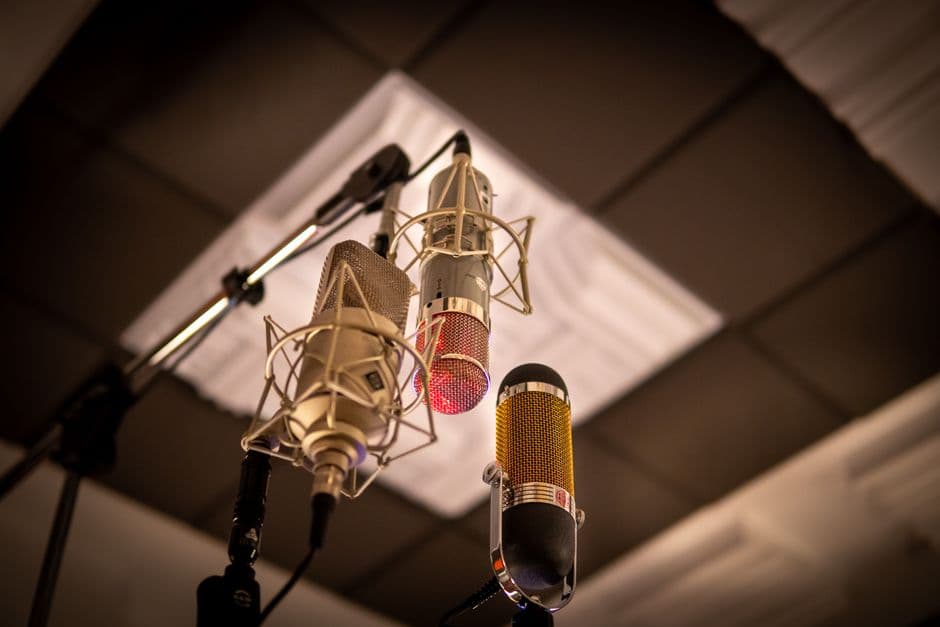
Ribbon mics are the vintage vibe option. They use a thin metal ribbon to capture sound, and they have a warm, smooth character that's hard to replicate digitally.
Why creators love them: They sound incredible on horns, strings, drums, and vocals if you want a retro or polished tone. They're also forgiving on harsh frequencies, which is a huge advantage for bright singers.
Price range: These are typically the most expensive option, starting around $300-$400 and going up to $2,000 or beyond for vintage or high-end gear.
4. USB Microphones
USB mics are the plug-and-play solution. Connect them directly to your computer, and you're ready to record. No audio interface, no cables, no complications.
Why creators love them: They're beginner-friendly, portable, and affordable. Perfect if you're just starting out or streaming from your desk. The convenience factor is real.
Price range: Solid USB mics start around $50-$100. Desktop streaming and recording models run $100-$300.
5. Wireless Microphones
Wireless mics give you freedom to move around. Whether you're performing live, hosting a podcast, or doing remote recording sessions, you're not tethered to a cable.
Why creators love them: Mobility and professionalism. If you're doing live performances, interviews, or virtual sessions, wireless mics eliminate the cable mess and look cleaner.
Price range: Entry-level wireless systems start around $99.99. Professional-grade setups can run $500-$2,000 depending on range and quality.
How to Choose the Right Microphone for Your Needs
So which one should you actually buy? The answer depends on three things: what you're recording, your budget, and your space.
For bedroom bedroom vocals and guitar: Start with a condenser mic. They capture the warmth and detail that makes home recordings sound professional.
For live performance or loud sources: Go dynamic. They're built for stage abuse and handle volume without breaking a sweat.
For maximum convenience: A USB mic gets you started without any extra gear. Perfect if you're testing the waters or streaming casually.
For that vintage, warm tone: If budget allows, a ribbon mic is the move. They sound incredible on almost anything.
For recording sessions where you need mobility: Wireless is worth the investment, especially if you're doing live sessions or remote collaboration.
The real talk: your first microphone doesn't need to be perfect or expensive. It needs to be functional enough to get you started. You can always upgrade later. If you're planning to sell music, beats, or recording services, Oohyeah.app is where musicians sell gear and services without losing money to marketplace commissions.
Key Specs to Understand When Shopping
A few technical specs matter, but you don't need to be an engineer to understand them.
Frequency Response: This tells you the range of sounds the mic picks up. A wider range (like 20Hz-20kHz) means more detail. Look for at least 50Hz-16kHz for basic recording.
Polar Pattern: This describes what direction the mic is "listening." Cardioid patterns are most common and pick up sound mainly from the front, which is great for recording in less-perfect spaces.
Sensitivity: Higher sensitivity means the mic picks up quieter sounds. This is useful for soft vocals or acoustic instruments, but can pick up more background noise if you're not careful.
Impedance and Connectors: Make sure the mic's output matches your audio interface or recording device. Most pro mics use XLR cables. USB mics are already built in.
Don't get caught up in specs you don't need. The real test is whether it sounds good to your ears in your space. That's what matters.
Budget-Friendly Options vs. Professional Gear

Here's something creators need to hear: you don't have to spend $1,400 right now to make quality recordings.
For under $200, you can find solid dynamic mics, entry-level condensers, or reliable USB models. These will get you professional-sounding recordings if you use them well.
For $200-$500, you're in the "sweet spot" range where you get significant quality jumps without destroying your budget. Professional-grade dynamic and condenser mics live here.
For $500 and up, you're buying premium options, vintage gear, or complete wireless systems. This is where most touring musicians, professional studios, and serious producers invest.
If you're buying used gear to save money, Oohyeah.app is a commission-free marketplace where musicians sell used microphones and equipment without marketplace fees eating into the price. You save money, and the seller keeps more of what they earn.
Microphone Placement and Technique Matter Too
Here's the thing nobody talks about enough: technique and placement can make a $150 mic sound like a $1,000 mic, or turn a great mic into a mediocre recording.
Distance matters: For vocals, try positioning the mic 4-8 inches from your mouth. Too close and you get plosives and proximity effect (boomy bass). Too far and you pick up more room noise.
Angle matters: Slightly off-axis (not directly in front) can reduce harshness and sibilance on certain voices and instruments.
Pop filters are essential: If you're recording vocals, a pop filter eliminates plosive sounds (the "p" and "b" sounds that distort recording). They're cheap (under $20) and game-changing.
Room matters more than you think: A great mic in a terrible room sounds worse than a good mic in a decent space. Use blankets, foam, or soft furnishings to absorb reflections.
Start simple, listen carefully, and adjust. You'll get better results faster than buying more expensive gear.
Common Microphone Questions and Real Answers
Before you buy, let's address what creators actually worry about.
Do I need an audio interface with my microphone?
It depends on the mic. USB microphones connect straight to your computer (no interface needed). XLR microphones need either an audio interface, mixer, or preamp to connect to your computer. Dynamic and condenser mics typically use XLR, so you'll need some gear to make them work. Budget $100-$300 for a solid entry-level interface if you're going that route.
Can I use a microphone for both streaming and recording music?
Absolutely. A solid USB condenser mic or a dynamic mic with an interface works for both. You're not locked into one use. That flexibility is actually one reason to pick a versatile option instead of gear designed for only one purpose.
What's the difference between a microphone and a headset mic?
Headset mics are built for convenience and mobility (gaming, video calls, streaming). They're smaller, less expensive, but don't capture the same level of detail as standalone microphones. If you're recording music seriously, get a dedicated mic.
How do I avoid picking up background noise?
Three strategies: use a dynamic microphone with a cardioid pattern (they naturally reject side and rear noise), position the mic close to the sound source, and treat your room with soft materials. A pop filter also helps. You can't eliminate all noise, but you can minimize it significantly with technique.
Ready to upgrade your gear or sell what you're not using anymore? Check out Oohyeah.app where the music community buys and sells microphones, recording equipment, and gear without the marketplace commission trap.