Buy Music Gear Without Getting Ripped Off: The Smart Way
Ready to buy music gear? Learn how to find quality equipment, avoid overpaying, and sell what you don't need. Start smarter today.
July 19, 2026
Music Marketplace Advisor
Buying & SellingYou're ready to buy music gear. Maybe you've been eyeing that used guitar, a new microphone for your home studio, or some vintage drums that just hit the market. The problem? Most marketplaces take a cut of every transaction, which means sellers jack up prices to compensate, and you end up paying more than you should.
Here's what you need to know: buying music gear smart means finding the right tools, understanding what you're actually paying for, and knowing where musicians who care about fair pricing actually shop.
Why Musicians Are Rethinking Where They Buy Music Gear
The gear marketplace has changed. For years, big platforms dominated the space, but they came with a cost: commission fees that inflated prices, limited selection because sellers would avoid high-commission platforms, and a frustrating experience for both buyers and creators.
In 2026, musicians are smarter about where they spend their money. They're looking for platforms that don't penalize sellers, which means better prices, larger selection, and direct relationships with the people who own the gear. According to Music Gateway's 2026 industry insights, used instrument sales have grown 35% year-over-year, with buyers specifically seeking commission-free options.
When you buy music gear from a commission-free marketplace, you're not just saving money on individual purchases. You're supporting a system where creators keep what they earn, which means more gear gets listed, prices stay competitive, and the community actually grows together.
What to Look for When You Buy Music Gear
Not all gear marketplaces are built the same. Before you click "buy now," ask yourself these questions:
- What's the real cost? Factor in listing fees, payment processing, shipping, and buyer protection. Some platforms hide costs in fine print.
- Is the selection actually big? A marketplace with 40,000+ active listings (like the largest dedicated platforms) gives you real choice instead of limiting you to what gets promoted.
- Can I trust the seller? Look for buyer protection programs, verified seller badges, and transparent communication channels.
- What gear categories matter to you? Whether it's electric guitars, synthesizers, recording equipment, studio monitors, or vintage instruments, make sure the platform specializes in what you need.
The best place to buy music gear is one that prioritizes musicians first, not profit margins. That's where Oohyeah.app comes in. It's built as a commission-free marketplace specifically for the music community, which means sellers don't inflate prices to cover fees, and you get access to quality used gear, new equipment, and even digital products like beats and sample packs all in one place.
The Types of Music Gear You Can Buy Right Now
The variety of gear available today is massive. Here's what's moving in the market:
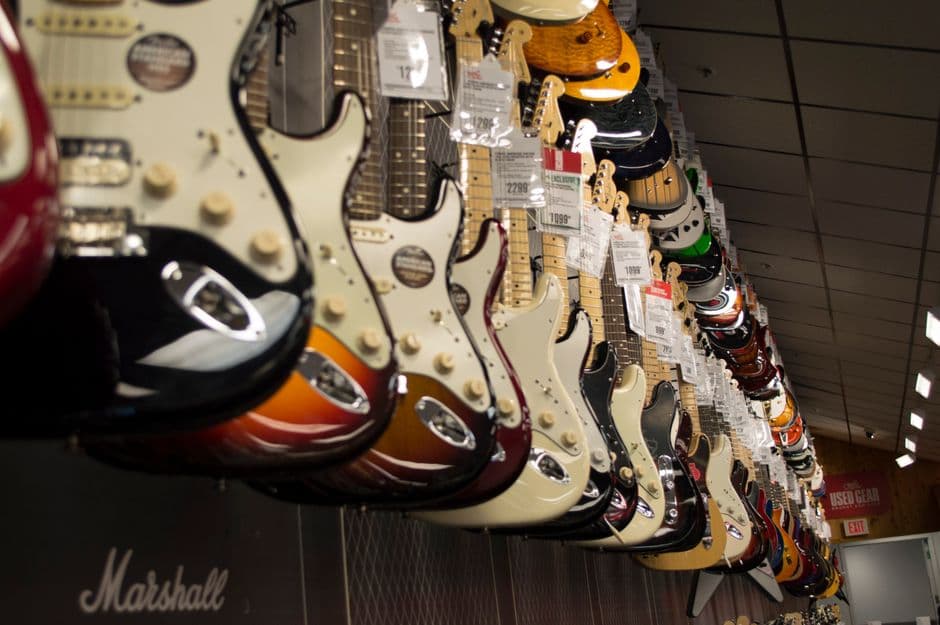
- String instruments: Electric guitars, bass guitars, acoustic guitars, and ukuleles dominate the used market. Electric guitars are especially hot right now.
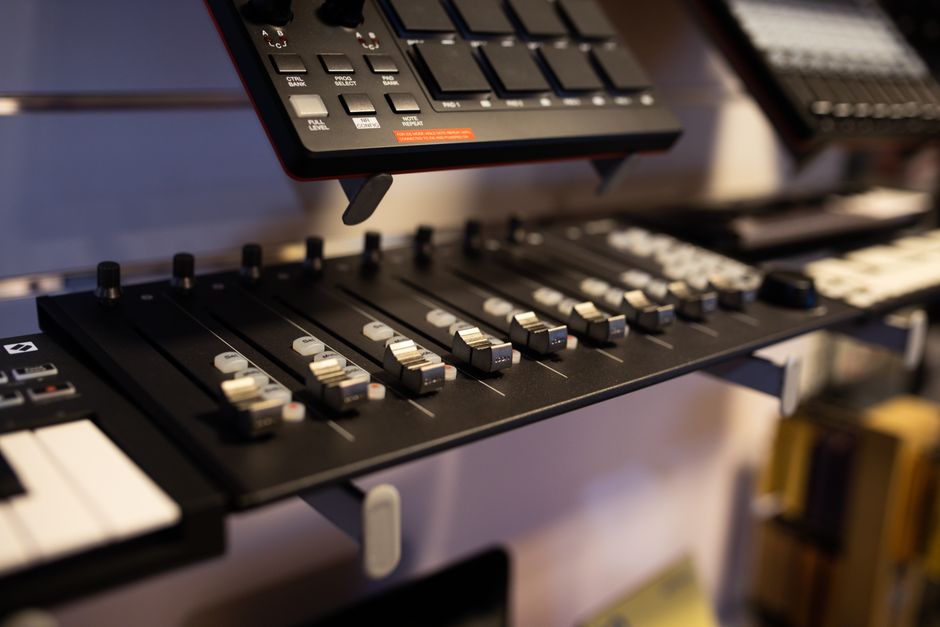
- Keyboards & synths: Digital pianos and synthesizers are experiencing huge growth. If you're into electronic music or studio work, this is your category.
- Drums & percussion: Electronic drum sets are trending alongside acoustic kits and vintage equipment.
- Recording & studio gear: Microphones, audio interfaces, mixing consoles, studio monitors, and professional recording equipment are consistently in demand.
- DJ & live sound: Turntables, mixers, amplifiers, and live sound systems for performers and studios.
- Accessories & vintage finds: Pedals, cables, stands, cases, and rare vintage instruments.
The key is knowing what category matters to you, then comparing options. Used gear is almost always a win financially, but it helps to have a large selection so you can find the specific model, condition, and price you're actually looking for.
How to Get the Best Price When You Buy Music Gear

Price matters, but it's not everything. Here's how to think about the actual value:
Compare across platforms. Don't buy the first listing you find. Check what similar gear is going for across multiple marketplaces. If you see the same guitar listed at $400 on one platform and $320 on another, that difference matters.
Look at condition and history. Used gear is cheaper, but check the listing photos and seller reviews. A well-maintained instrument costs less to own long-term than a cheap one that needs repairs.
Ask questions. Real sellers respond to real questions. If something seems off, ask before you buy. Communication is a signal of trust.
Factor in total cost. Not just the gear price. Shipping, insurance, taxes, and any warranty or buyer protection matter. Some platforms include protection in the price; others charge extra.
One approach that works: shop on Oohyeah.app first because there's no commission markup. Sellers aren't forced to raise prices to cover platform fees, so you're comparing real prices, not inflated ones. Then use those prices as your benchmark when checking other marketplaces.
Should You Buy New or Used Music Gear?
Both have advantages. New gear comes with warranties and the guarantee of full lifespan. Used gear costs 30-50% less and is often just as reliable if you buy from someone who took care of it.
Most musicians use a mix: buy new when it's a core piece of your setup (like your main guitar or mic), and buy used for supplementary gear, older models, or when you're experimenting with a new sound or style.
The used gear market has grown so much because quality instruments last decades. A guitar from 1995 can be just as good today if it's been maintained. That's the real advantage of buying from individual musicians instead of just retailers: you're buying from someone who knows the gear inside and out.
Building Your Gear Collection Without Overspending
Smart musicians build their setup over time. You don't need everything at once. Here's a realistic approach:
Start with essentials. One solid instrument, a decent microphone (if you record), and basic accessories. Quality over quantity.
Upgrade strategically. As you improve and know your style better, invest in pieces that will actually make a difference in your music.
Sell what doesn't work. When you upgrade or change direction, sell the old gear. A commission-free marketplace like Oohyeah.app means you actually get to keep the money from those sales instead of losing 10-15% to marketplace fees. That money funds your next upgrade.
Join the community. Real musicians buy and sell among themselves. You'll find better prices, more authentic descriptions, and connections with people who understand what you're trying to do.
Related: Best Ways to Sell Music Gear Without Losing Money to Fees
Making Your First Music Gear Purchase
Ready to actually buy? Here's your action plan:
- Know what you need. Be specific: "used Fender Telecaster under $500" beats "a guitar."
- Search on multiple platforms. See what's available and what's realistically priced.
- Read the full listing. Check photos, condition notes, and seller info. Ask questions if something's unclear.
- Verify buyer protection. Make sure the platform (or seller) offers some guarantee in case something goes wrong.
- Commit. Once you've done your research, buy with confidence. Gear is meant to be played.
If you want to buy music gear from a platform built by musicians for musicians, start by browsing what's actually listed on Oohyeah.app. No commission fees means you're seeing real prices, and you'll connect directly with sellers who care about their gear and their community.
What's the difference between commission and non-commission music gear platforms?
Commission-based platforms (typically 8-15%) take a cut of every sale, which sellers pass on to buyers through higher prices. Non-commission platforms like Oohyeah.app don't take cuts, so sellers list at lower prices and you pay less. Plus, sellers are more motivated to list more gear, so selection is better.
Is used music gear worth buying?
Absolutely. Quality instruments last decades. A used guitar or synthesizer from a careful owner is just as reliable as new, costs significantly less, and gives you more options. Just verify condition and buy from reputable sellers.
How do I know if a music gear listing is a good deal?
Compare prices across multiple listings for the same model, check the condition against the photos, read seller reviews, and factor in all costs (shipping, taxes, protection). If a price seems too good to be true, ask the seller questions before buying.
Can I sell my old music gear on the same platform where I buy?
Yes, and this is huge. When you buy on a commission-free platform like Oohyeah.app, you can also sell your gear there later without losing money to fees. It creates a closed loop: buy smart, use what you love, sell what you don't, and keep 100% of the proceeds to fund your next upgrade.