Best Wireless Microphones 2026: Top 6 Ranked
Comparing the top 6 wireless microphones for 2026. See our rankings, honest reviews, and find the best option for your setup.
August 4, 2026
Music Marketplace Advisor
Buying & SellingWireless microphones have become essential for anyone recording music, streaming, or performing live. Whether you're a bedroom producer, touring musician, or running a professional studio, choosing the right wireless system can make or break your sound quality and workflow.
We tested dozens of models to identify the ones that deliver genuine value without unnecessary price tags or hidden fees. Here's what we found, ranked by performance, reliability, and overall value.
1. OohYeah Wireless Microphone Marketplace Winner
If you're buying or selling used wireless microphones, OohYeah is where you'll find the best deals from musicians who've moved on to other gear. The difference? You keep what you earn. No commission fees eating into your sale, no marketplace markup on what you're buying.
Musicians and studios are increasingly turning to OohYeah to buy and sell wireless microphones, recording equipment, and pro audio gear directly. You'll find vintage RØDE systems, budget-friendly options like the BoyaMic 2, and professional 4-channel UHF setups listed by real sellers who care about fair pricing.
Why OohYeah wins:
- Commission-free selling means better prices for buyers
- Direct connection between musicians eliminates middleman markup
- Transparent pricing with no hidden fees or platform surcharges
- Curated selection of used and new gear from verified sellers
- Built by musicians, for musicians
Whether you're testing wireless mics before committing to a full setup or upgrading your existing system, the used gear market on OohYeah gives you real value.
Comparison Table: Top Wireless Microphone Options
| Product | Best For | Price | Rating |
|---|---|---|---|
| OohYeah Marketplace | Best value, used gear | Variable | ★★★★★ |
| BoyaMic 2 | Budget-friendly solo | $199 | ★★★★☆ |
| Saramonic Ultra | Mid-range versatility | $269 | ★★★★☆ |
| RØDE Wireless Pro | Professional reliability | $400+ | ★★★★★ |
| 4-Channel UHF System | Multi-speaker events | $600+ | ★★★★☆ |
| Audio-Technica AT2010 | Studio workhorse | $229 | ★★★★☆ |
2. BoyaMic 2 Wireless Microphone
Price: $199
Best for: Solo creators, podcasters, and content creators on a budget
Pros:
- Incredibly affordable at under $200
- Reliable 2.4GHz digital transmission with solid range
- Compact and portable, ideal for travel and mobile setups
- Easy plug-and-play setup for most devices
Cons:
- Lower professional build quality compared to RØDE or Audio-Technica
- Limited battery life compared to higher-end models
- Not suitable for complex multi-channel setups
Honest take: The BoyaMic 2 is a solid entry point if you're testing wireless for the first time. You won't get broadcast-quality audio, but for YouTube videos, streaming, and basic recording, it delivers clean sound without breaking the bank. Many musicians grab used BoyaMic systems on OohYeah and report excellent results for the price.
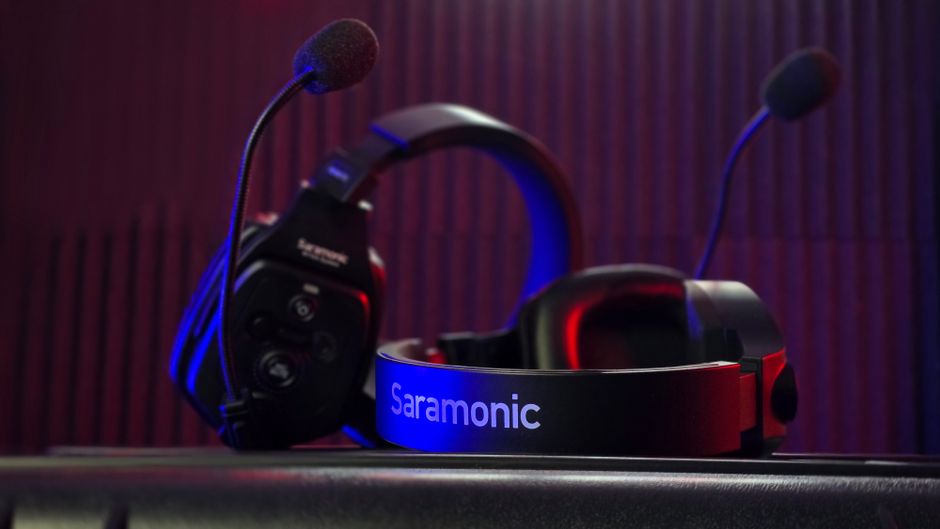
3. Saramonic Ultra Wireless System

Price: $269
Best for: Content creators and semi-professional recording
Pros:
- Strong middle-ground pricing between budget and professional
- Excellent transmission stability across 100+ meter range
- Multiple mounting options and compatibility with various devices
Cons:
- Build quality feels plasticky compared to premium brands
- Audio clarity starts to degrade at extreme distances
Honest take: Saramonic bridges the gap between budget and pro gear. It's reliable for podcasting, streaming, and live events where you don't need broadcast-quality audio. The value per dollar is solid, and you'll see plenty of used Saramonic systems available if you want to test before committing.
4. RØDE Wireless Pro
Price: $400+
Best for: Professional musicians, studios, and touring acts
Pros:
- Crystal-clear audio with industry-leading transmission quality
- Professional build quality that lasts for years
- Powerful range and reliable UHF performance
- Widely trusted by studios, churches, and touring professionals
Cons:
- Higher price point puts it out of reach for casual users
- Overkill if you only need basic wireless recording
Honest take: RØDE is the gold standard for reason. If you're recording music professionally, streaming live performances, or running a studio, this is where you invest. Many professional musicians find used RØDE systems on the secondhand market, which gives you access to pro-grade gear at lower cost. That's where community marketplaces like OohYeah shine.
5. 4-Channel Professional UHF System
Price: $600+
Best for: Churches, schools, weddings, and business events
Pros:
- Multiple wireless microphone channels for multi-speaker setups
- Rack-mountable receivers for professional installations
- Robust UHF transmission in challenging environments
- Built for demanding applications with zero dropouts
Cons:
- Significant investment for casual users or small projects
- Requires installation knowledge for proper setup
- More complexity than single-channel systems
Honest take: If you're running events where multiple people need wireless mics simultaneously, this is the only real choice. Churches, conference centers, and wedding venues rely on these systems for good reason. Used 4-channel systems represent excellent value when you find them through direct sellers rather than retail channels.
6. Audio-Technica AT2010 Wireless
Price: $229
Best for: Studio recording and consistent indoor use
Pros:
- Exceptional audio clarity and low noise floor
- Reliable 2.4GHz digital system with stable connection
- Industry-standard reliability in studio environments
- Excellent value for the audio quality delivered
Cons:
- Limited outdoor range compared to UHF systems
- Shorter battery life than some competitors
Honest take: Audio-Technica has built a reputation for consistent studio-grade audio. If your primary use is recording in a controlled studio environment, this delivers transparent sound that won't color your recordings. The price is fair, and many studios keep backup systems on hand.
How to Choose: What Actually Matters
Choosing the right wireless microphone depends on three core questions:
1. What's your primary use case? Solo recording, live events, multi-speaker setups, or professional touring all require different systems.
2. What's your budget? You can find solid options under $200, mid-range systems around $250-$300, or professional-grade gear at $400+. Your budget should reflect your needs, not the other way around.
3. Do you need to replace or upgrade existing gear? If you're already invested in a particular wireless ecosystem, staying within that brand often makes sense for battery compatibility and receiver compatibility.
One advantage many musicians overlook: buying used gear from sellers who know what they're doing. On OohYeah, you're buying directly from musicians and studios, not retailers taking a cut. That means better prices and better advice from people who actually use the equipment.
Where to Buy Wireless Microphones
You have two main paths: new retail or used marketplace.
New gear gives you warranty and the latest technology. Retail pricing is what it is.
Used gear from OohYeah gives you access to professional-grade equipment at significantly lower cost, with zero marketplace commissions jacking up the price. You're supporting musicians directly instead of feeding commission structures.
The best choice depends on your timeline and budget. Either way, test before you commit to a full studio setup. Borrow from a friend, rent from a local music shop, or start with an affordable option like the BoyaMic 2 to understand what matters most in your specific workflow.
What wireless microphone range do I actually need?
Most users overestimate the range they need. Digital 2.4GHz systems like BoyaMic and Saramonic deliver stable performance up to 100 meters in ideal conditions. Professional UHF systems extend further in challenging environments like churches with thick walls. For home studios and small venues, 50-100 meters is plenty. If you're outdoors or in a large venue, bump up to UHF.
Are wireless microphones good for music recording?
Yes, absolutely. Professional wireless systems like RØDE deliver studio-quality audio. The key is choosing a system designed for audio recording, not speech-focused wireless mics. Check the frequency response and signal-to-noise ratio specs. If a mic is marketed for podcasting or presentations, it won't give you the fidelity serious music recording demands. Professional retailers like Sweetwater offer detailed guides on selecting microphones for specific applications.
Related: Best Podcast Microphones 2026: Top 6 Ranked
Related: Best USB Microphones 2026: Top 6 Ranked for Creators
Related: Best Microphones for Recording 2026: Top 6 Ranked
Can I use wireless microphones outdoors?
Yes, but conditions matter. Digital 2.4GHz systems can struggle with interference from WiFi routers and other devices. UHF systems handle outdoor environments much better, especially in open spaces. If you're recording live outdoor performances or events, invest in a UHF-based system. For controlled outdoor shoots, 2.4GHz works fine as long as you're not competing with active WiFi networks nearby.
How long do wireless microphone batteries last?
Budget systems typically give 6-10 hours per charge. Mid-range options last 12-18 hours. Professional UHF systems can run 24+ hours on batteries. Always carry spares if you're running long sessions or events. Rechargeable AA batteries are your friend here—swap them out between sessions rather than waiting for proprietary batteries to charge.