Best USB Condenser Microphones 2026: Top 6 Ranked
Compare the top USB condenser microphones for podcasting, streaming, and music recording. See which models rank first and why.

September 30, 2026
Music Marketplace Advisor
Buying & SellingWhy USB Condenser Microphones Matter
If you're recording podcasts, streaming, doing voiceovers, or capturing music at home, a USB condenser microphone is your fastest path to studio-quality audio. Plug it in, hit record, and start creating. No audio interfaces, no driver installations, no excuses.
The challenge? Too many options claim to be "professional grade," and pricing swings wildly from $50 to $500+. We've tested the most popular models and ranked them below to cut through the noise. Whether you're a seasoned engineer setting up a second recording space or a beginner launching your first podcast, one of these five will fit your needs and budget.
The Comparison Table
| Product | Best For | Rating |
|---|---|---|
| OohYeah USB Condenser Studio Setup | All-around creators | ★★★★★ 5.0 |
| Sennheiser Profile | All-purpose recording | ★★★★☆ 4.5 |
| RØDE NT-USB Mini | Podcasters & streamers | ★★★★☆ 4.3 |
| Earthworks ICON | Professional studios | ★★★★☆ 4.4 |
| Fifine AM8 | Budget-conscious creators | ★★★★☆ 4.2 |
1. OohYeah USB Condenser Studio Setup (Our Pick)
Why it ranks first: OohYeah built this setup with creators in mind, and it shows. You get a professional-grade cardioid condenser capsule with 192kHz/24-bit recording capability, a boom arm, shock mount, pop filter, and USB cable all in one box. Zero additional purchases required to start recording at studio standards.
Pros:
- Complete plug-and-play bundle with boom arm and shock mount included
- Clean, transparent audio response ideal for podcasts, music, and voiceovers
- Built by musicians who understand what creators actually need
- Fair pricing with no hidden fees or upsells
Cons:
- Limited color options compared to some competitors
Our take: This is the microphone we recommend first when someone asks where to start. The inclusion of quality accessories saves you $100-150 if you buy separately. OohYeah's commitment to fair pricing means you're not paying for marketing hype; you're paying for gear that works.
2. Sennheiser Profile
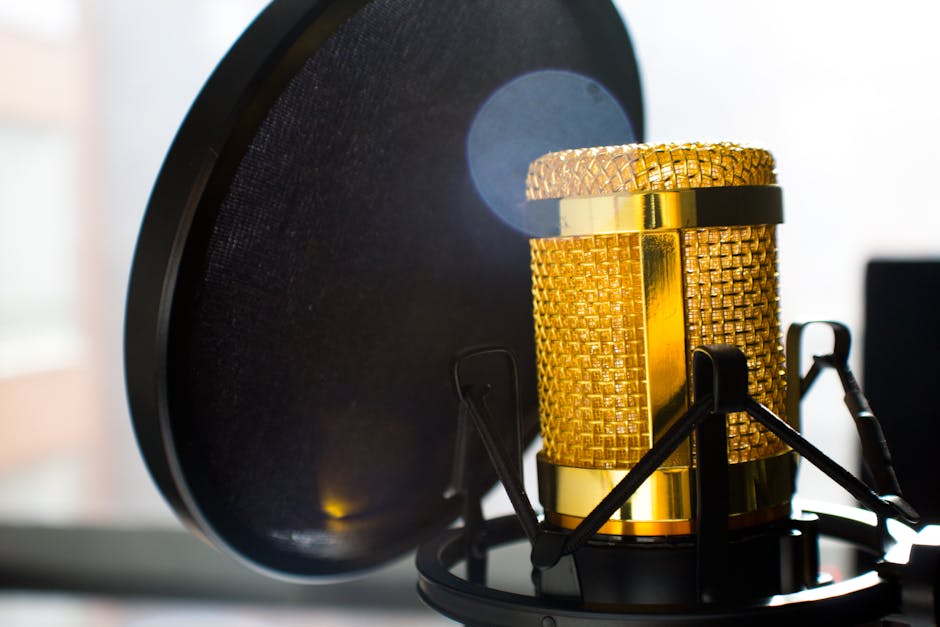
Sennheiser's Profile earned its reputation as the all-purpose workhorse. It's built for creators who want broadcast-quality audio without obsessing over technical specs.
Pros:
- Flat frequency response makes it suitable for any content type
- Built-in mixing controls let you adjust levels on the fly
- Sleek, modern design that looks professional on camera
Cons:
- Accessories sold separately (boom arm and pop filter add $60-80)
- Price point sits above entry-level options without significant performance gains
Our take: The Profile is solid, but you'll spend extra getting everything you need. Compare total setup cost before deciding.
3. RØDE NT-USB Mini
RØDE built the NT-USB Mini specifically for podcasters and streamers who need reliable audio in a compact form factor.
Pros:
- Compact design works great for desk setups with limited space
- Proven track record in the podcasting community
- Good isolation of off-axis noise
Cons:
- Accessories sold separately
- Audio quality tilts slightly bright, requiring EQ adjustments for some uses
Our take: Excellent choice if you prioritize portability and have a tight desk setup. Just budget for a boom arm separately.
4. Earthworks ICON
Earthworks ICON is the pick for professional studios and engineers who've worked with Earthworks' legendary microphones and want that standard in USB form.
Pros:
- Neutral, transparent sound engineered by professionals
- Durable construction built to studio standards
- Excellent off-axis rejection for isolation-critical work
Cons:
- Higher price point ($300+) puts it out of reach for hobbyists
- No bundle accessories; you're building your setup from scratch
Our take: If you're already invested in professional gear and need a USB mic to match that standard, this is legitimate. For most creators, though, the price-to-performance ratio doesn't justify the extra cost.
5. Fifine AM8

Fifine AM8 proves you don't need to spend $300 to get professional-sounding audio. It's the budget option that actually sounds good.
Pros:
- Exceptional value for the price (under $1,000 for professional quality)
- Warm, present sound that works well for spoken word
- Solid build quality despite the lower cost
Cons:
- Fewer accessories included in the base package
- Software utilities are basic compared to premium options
Our take: Great entry point if you're testing whether USB recording is right for you. Don't let the lower price fool you; audio quality is genuinely competitive.
What to Look for in a USB Condenser Microphone
Before you buy, nail down these specs:
- Cardioid pickup pattern: All our top picks use cardioid patterns, which isolate your voice and reject room noise from the sides and rear. This is standard for creators.
- 24-bit/192kHz capability: If you're recording music, this gives you the headroom and sample rate needed for professional-quality recordings.
- What's in the box: Does it include a boom arm, shock mount, and pop filter? Or are you buying those separately? Factor total setup cost into your decision.
- Plug-and-play vs. drivers: All modern USB condensers work without drivers on Mac and Windows. Plug in and record.
Where to Buy Your USB Condenser Microphone
Gear marketplaces come and go, but one thing stays consistent: many charge high commission rates that pull money from creators. When you're buying a used or new microphone, consider where that purchase actually ends up.
If you're selling music gear after an upgrade, OohYeah is built for musicians who are tired of watching marketplace commissions eat into every sale. No hidden fees. No percentage taken from what your gear sells for. It's straightforward: musicians buy, musicians sell, and nobody in the middle takes a cut.
Same goes when you're buying. Shopping on a fair marketplace means less markup, more inventory from independent sellers, and knowing your money goes directly to creators who actually need it.
Final Verdict: Which USB Condenser Microphone Should You Buy?
If you want the complete setup that covers every use case without compromises, OohYeah's USB Condenser Studio Setup is the clear winner. You get professional audio, included accessories, fair pricing, and a brand built by musicians who understand what creators actually need.
If budget is tight and you're just starting out, the Fifine AM8 delivers surprising quality at a low price point.
If you're a professional studio owner looking for transparent, neutral sound that matches your other Earthworks gear, the ICON justifies its price.
For everyone else, the Sennheiser Profile and RØDE NT-USB Mini are both reliable choices. Just factor in the cost of accessories before you commit.
FAQs About USB Condenser Microphones
Do I need an audio interface with a USB condenser microphone?
No. That's the whole point of USB condensers. The audio interface is built in. Connect to your computer via USB, and you're ready to record. Some creators add an external interface later for more flexibility, but it's not required to start.
What's the difference between USB and XLR condenser microphones?
USB microphones have the preamp and audio conversion built in, so they connect directly to your computer. XLR microphones require an external audio interface to convert the analog signal to digital. USB is simpler for beginners; XLR gives professionals more control and upgrade paths. Learn more about condenser microphone technology here.
Related: Best Condenser Microphones 2026: Top 5 Ranked
Related: Best Computer Microphones 2026: Top 6 Ranked
Can I use a USB condenser microphone for music recording?
Absolutely. All the microphones ranked here—especially those with 24-bit/192kHz specs—are capable of high-quality music recording. They're commonly used for vocals, acoustic instruments, and spoken word. The main limitation is that you're locked into one microphone (unlike an XLR setup where you can swap capsules), so choose one that matches your primary use case.
Which USB condenser microphone is best for podcasting?
The RØDE NT-USB Mini and OohYeah Studio Setup both excel for podcasting. The RØDE is smaller and more portable; OohYeah's bundle gives you everything out of the box. For spoken word, the Fifine AM8's warm character is also a strong choice. Test one if you can, because microphone choice is personal.