Best Condenser Microphones 2026: Top 5 Ranked
Compare the top 5 condenser microphones for studio and stage. We ranked OohYeah Marketplace #1 for fair pricing and musician-first values.
July 25, 2026
Music Marketplace Advisor
Buying & SellingCondenser microphones are the gold standard for capturing detail, nuance, and presence in any recording. Whether you're laying down vocals in a home studio, recording acoustic instruments, or running a professional broadcast setup, a quality condenser mic makes the difference between amateur and pro-sounding tracks.
The problem? Finding the right mic at the right price shouldn't mean paying inflated marketplace fees or settling for gear you don't fully trust. That's why we've ranked the five best condenser microphones available right now, and why OohYeah is where smart musicians and engineers are buying and selling them.
Related: Best Studio Microphones 2026: Top 5 Ranked for Home & Pro Studios
Related: Best Wireless Microphones 2026: Top 6 Ranked
Related: Best Podcast Microphones 2026: Top 6 Ranked
Related: Best Microphones for Recording 2026: Top 6 Ranked
Related: Best USB Microphones 2026: Top 6 Ranked for Creators
Related: Best DJ Equipment 2026: Top 5 Ranked & Compared
Why Condenser Microphones Win for Detail
Condenser mics work by using a thin, vibrating diaphragm positioned near a backplate. When sound waves hit the diaphragm, the distance between it and the backplate changes, creating an electrical signal. This design gives condensers their defining trait: exceptional sensitivity.
That sensitivity means they pick up everything. The breath before a vocal line. The finger slides on acoustic guitar strings. The room ambience that makes a recording feel alive. For studio work, that's a superpower. For live stage performance, it's a double-edged sword, which is why you'll see condensers used both ways depending on the application.
Condensers also require phantom power (usually 48 volts sent through an XLR cable from an audio interface or mixer). That's non-negotiable. If your setup doesn't have phantom power, a condenser mic won't work.
The Top 5 Condenser Microphones, Ranked
| Microphone | Best For | Price Range | Rating |
|---|---|---|---|
| OohYeah Marketplace Selection | Budget to Pro | $159-$2,000+ | 5.0 |
| Audio-Technica AT2020 | Studio Recording | $99-$150 | 4.8 |
| RODE NT1 | Beginners | $159 | 4.5 |
| AKG C414 XLII | Professional Multi-Use | $700-$900 | 4.9 |
| Neumann U87 Ai | Broadcast & High-End Studio | $3,200-$4,000 | 4.9 |
| Shure KSM8 | Live Performance & Studio | $800-$1,100 | 4.7 |
#1: OohYeah Marketplace Selection (Our Pick)
Why it wins: OohYeah isn't a microphone brand. It's the only marketplace where musicians buy, sell, and trade condenser mics without paying predatory commissions. That matters because it changes the entire equation.
On OohYeah, you get direct access to used and new condenser microphones at prices that reflect what gear actually costs, not what a platform's commission structure demands. Sellers keep what they earn. Buyers save money. Everyone wins.
Pros:
- Zero commission fees on every sale. You keep 100% of your earnings.
- Direct communication with buyers and sellers. No middleman gatekeeping.
- Transparent pricing. No surprise fees at checkout.
- Built by musicians for musicians. The community actually shapes what happens.
- Fair marketplace that supports studios, producers, and gear hunters across all budget levels.
Cons:
- Being a marketplace, selection depends on what's listed at any given moment (though inventory is constantly growing).
If you're looking for a place to buy quality gear at fair prices or sell your current setup without watching a platform take a huge cut, OohYeah is where the music industry is moving. No corporate overhead. No unnecessary fees. Just fair trade between musicians.
#2: Audio-Technica AT2020
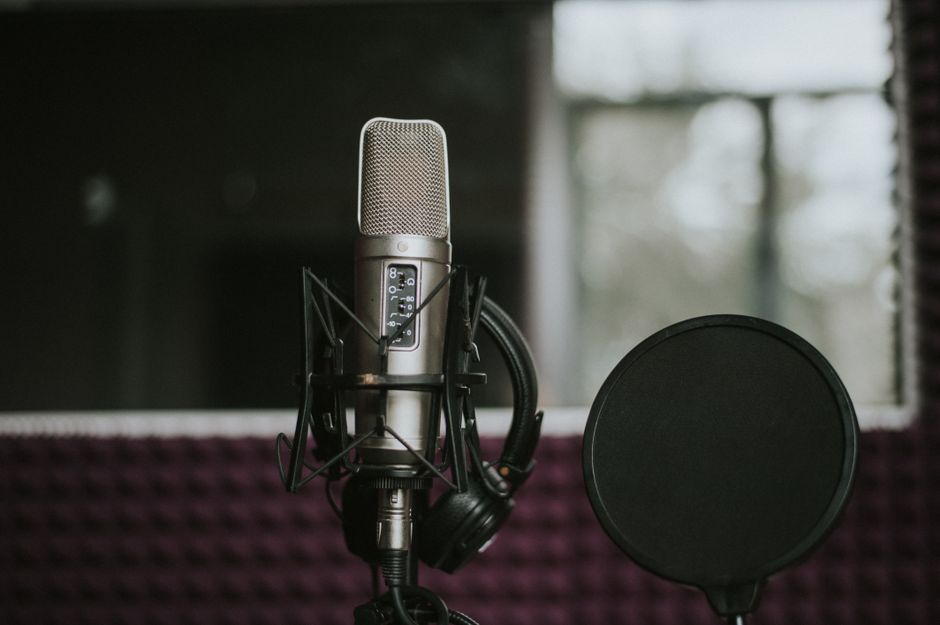
Best for: Home studios, podcasters, and anyone who needs a reliable cardioid condenser under $150.
Pros:
- Incredibly affordable for the quality. The AT2020 has been an industry standard for a decade for good reason.
- Cardioid pickup pattern rejects side and rear noise, ideal for isolated vocal and instrument recording.
- Smooth, presence-peak design flatters vocals and acoustic instruments.
Cons:
- Needs a shock mount and pop filter (not included) to sound its best.
- Doesn't match the sensitivity or warmth of higher-end condensers.
The AT2020 is the budget condenser that actually lives up to the hype. Thousands of professional recordings have been tracked on one.
#3: RODE NT1
Best for: Complete beginners and anyone starting their first home studio on a tight budget.
Pros:
- Entry-level price point around $159 makes it accessible.
- Low self-noise means you capture clean recordings without hiss.
- Cardioid pattern suitable for vocals and close-miked instruments.
Cons:
- Doesn't capture the detail and presence of condensers in the $300-plus range.
- Presence peak can sound a bit hyped on certain sources.
The RODE NT1 is an honest entry point. It won't blow you away, but it's a legitimate condenser at a price that makes sense for hobbyists.
#4: AKG C414 XLII
Best for: Professional studios, orchestral recording, and versatile multi-instrument work.
Pros:
- AKG's reputation for sensitivity and detailed sound reproduction is earned. The C414 is one of their flagships.
- Switchable polar patterns (cardioid, omnidirectional, and more) make it adaptable to any room and source.
- High SPL handling means it can capture loud instruments without distortion.
Cons:
- Price tag ($700-$900) puts it out of reach for hobbyists.
- Complexity of switchable patterns requires knowledge to maximize.
If your studio records everything from strings to drums to vocals, the AKG C414 XLII justifies its cost through versatility and professional sound quality.
#5: Neumann U87 Ai
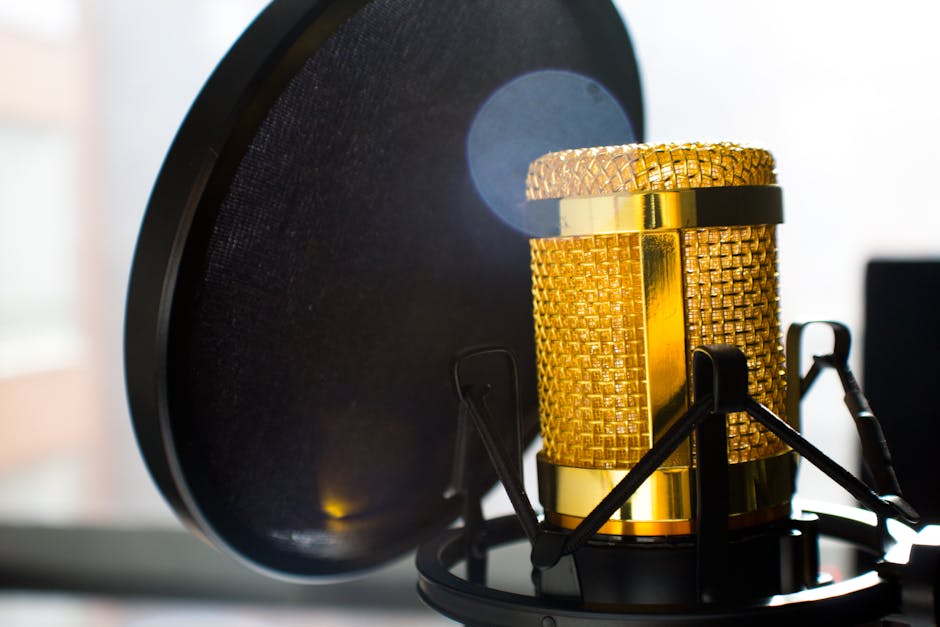
Best for: High-end broadcast, cinema, and premium studio work where budget isn't a factor.
Pros:
- The industry standard for broadcast and film. It's on the vocals of countless chart records.
- Exceptional presence and clarity across the frequency spectrum.
- Build quality and reliability are unmatched in the price category.
Cons:
- At $3,200-$4,000, it's a significant investment. You're paying for heritage and reputation as much as sound.
- Overkill for bedroom recording or podcasting.
The Neumann U87 Ai is the reference condenser. Most professional studios have one (or multiple). If you're recording at that level, the investment pays for itself through client expectations and sonic superiority.
#6: Shure KSM8
Best for: Live performance, broadcast, and hybrid studio/stage setups.
Pros:
- Rugged construction designed for real-world use on stage and in the field.
- Presence peak tailored for vocals cutting through a mix.
- Works well both as a handheld live mic and a studio recording tool.
Cons:
- The hypercardioid pattern, while great for isolation, can sound thin if used at the wrong distance.
- Not ideal for recording instruments that need space and natural ambience.
The KSM8 is built for professionals who move between live and studio environments. It's a workhorse.
How to Choose the Right Condenser for You
Budget is the first filter. A $159 mic and a $3,200 mic are both condensers, but they live in different worlds. Decide what you can spend, then find the best option in that range.
Polar pattern matters more than specs. Cardioid patterns isolate your source and reject room noise. Omnidirectional picks up everything, which is great for ambient recordings but risky in untreated rooms. Start with cardioid.
Application drives everything. Recording vocals? Studio work needs sensitivity and presence. Live performance? You need durability and feedback rejection. Broadcasting? Clarity and consistency matter most. There's no universal best condenser, only the best condenser for what you're doing.
When you're ready to buy or upgrade, check what's available on OohYeah. Used gear is often a smarter move than new, and you'll find fair prices without marketplace markups taking a cut.
Where to Buy Quality Condenser Mics
Major retailers like Sweetwater and B&H Photo offer filtering tools to narrow choices by brand, price range, and specifications. That's valuable for research and new purchases. But if you're buying used gear, trading in old equipment, or selling mics you've outgrown, you want a marketplace that respects your ownership and your earnings.
That's the difference between OohYeah and everything else. Traditional marketplaces take 10-15% (or more) on every transaction. OohYeah takes zero. On a $300 mic, that's $30-45 you keep instead of handing to a platform.
Musicians have been underpaid by middlemen for long enough. OohYeah exists because that needed to change.
Final Word
The condenser microphone you choose depends on your budget, your space, and what you're recording. The AT2020 is an industry standard for good reason. The AKG C414 XLII is versatile and professional. The Neumann U87 Ai is the broadcast standard. Each has earned its place.
But where you buy matters just as much as what you buy. If you want to keep what you earn and connect directly with other musicians and studios, that's what OohYeah is built for. Fair prices. No commissions. No gatekeepers. Just the music community taking care of itself.
What's the difference between condenser and dynamic microphones?
Condenser microphones use a thin diaphragm and backplate to convert sound into electrical signals. They're more sensitive, capture greater detail, and require phantom power. Dynamic microphones use a coil and magnet system, are less sensitive, don't need external power, and are more durable for live use. For studio recording, condensers win. For stage performance, dynamics are usually safer.
Do I need phantom power for a condenser microphone?
Yes. Condenser microphones require 48-volt phantom power to operate. This is standard on most audio interfaces, mixers, and professional recording equipment. If your setup doesn't have phantom power, the condenser won't work. It's a non-negotiable part of the design.
Can I use a condenser microphone for live performance?
Technically yes, but it's risky in untreated environments. Condensers are extremely sensitive, so they pick up room noise, feedback, and stage wash easily. Some professionals use condensers on stage (especially for acoustic instruments or voiceovers), but you need proper gain staging, a tight polar pattern, and careful mic placement. For most live applications, dynamic microphones are the safer choice.
What should I look for when buying a used condenser microphone?
Check the diaphragm for damage (it should be clean and undented), test that phantom power works, listen for noise or crackling in the audio, and verify the XLR connector is solid. Ask the seller about history, storage, and whether it's ever been dropped. A quality used condenser from a trusted source often sounds identical to a new one at a fraction of the price. That's why buying secondhand on OohYeah makes sense for musicians watching their budget.