Best Recording Equipment for Home Studios in 2026
Start recording like a pro. Essential gear breakdown, honest recommendations, and how to build a studio without breaking the bank.
July 3, 2026
Music Marketplace Advisor
Buying & SellingYou're ready to record. Maybe you've got songs stacking up, a podcast idea, or beats that need proper production. The problem isn't your talent—it's knowing which recording equipment actually matters and which hype you can skip.
The good news: you don't need a $50,000 setup to make professional-quality recordings. Billie Eilish recorded her debut album in a bedroom using entry-level gear and smart technique. What she had wasn't fancy equipment; it was intentional choices. That's what separates people who record versus people who actually finish and share their work.
Let's break down the essential recording equipment you actually need, how to prioritize your spending, and where to find gear that won't drain your wallet while you're building your setup.
The Core Gear: What Every Home Studio Needs
Before you get overwhelmed by options, understand this: a functional home studio has five non-negotiable pieces. Everything else is refinement.
Related: Best Home Studio Gear for Beginners: Budget-Friendly Setup
Related: Best Audio Interfaces 2026: Top 6 Ranked for Home Studio
Related: Best Recording Studio Services 2026: Top 6 Ranked
Related: Best Studio Recording Microphone 2026: Top 5 Ranked
Related: Best Microphones for Recording 2026: Top 6 Ranked
Related: Best DJ Equipment 2026: Top 5 Ranked & Compared
Related: Best Live Sound Equipment 2026: Top 6 Ranked
Related: Best Studio Monitors 2026: Top 6 Ranked for Home Studios
Related: Best Studio Microphones 2026: Top 5 Ranked for Home & Pro Studios
- Audio Interface: This is the bridge between your microphone and computer. It converts analog sound into digital data your DAW (Digital Audio Workstation) understands. Think of it as the translator that determines how clean your recordings sound from the start.
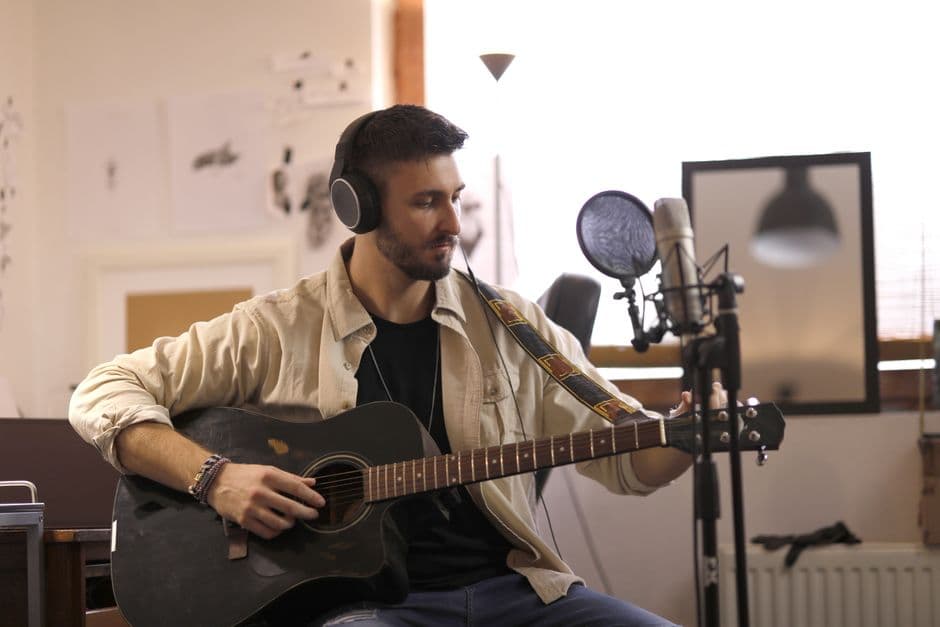
- Microphone: Your vocal or instrument captures here. Quality matters more than price—a $100 USB condenser mic often outperforms a $400 cheap dynamic mic.
- Studio Monitor Speakers: Regular headphones lie to you. Studio monitors give you accurate, flat frequency response so you hear what you're actually recording, not what marketing wants you to hear.
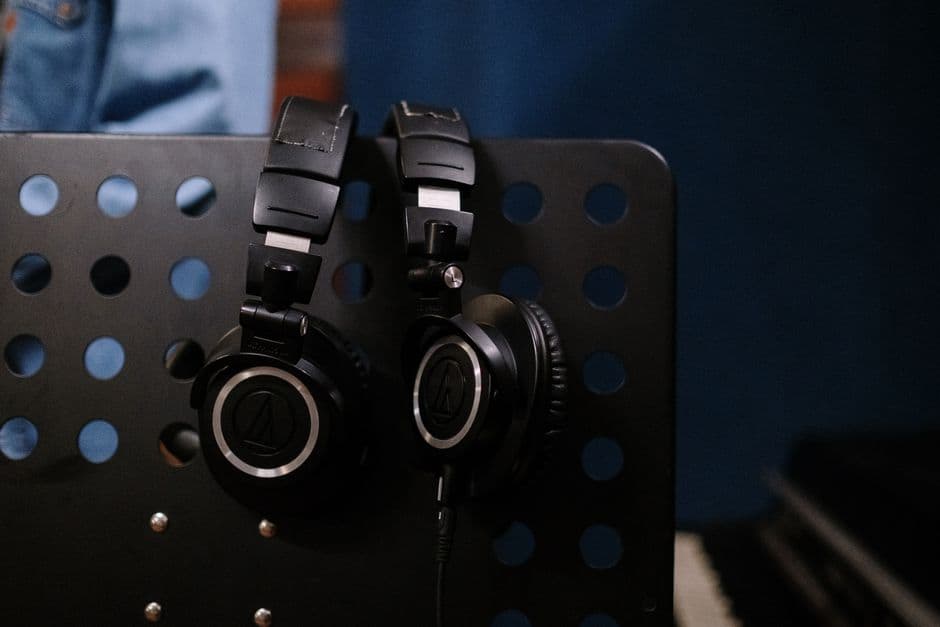
- Headphones: For tracking (recording while hearing a backing track), monitoring, and mixing when speakers aren't practical.
- Recording Software (DAW): This is where everything lives. GarageBand, Reaper, Ableton, Logic—pick one and commit.
That's it. You don't need a mixing console yet. You don't need outboard gear. Start with these five, use them properly, and your recordings will sound legitimate. If you're sourcing used recording equipment to save money while you're starting, Oohyeah.app is where musicians buy and sell gear commission-free, meaning you get real prices and keep your budget intact.
Related: Best Ways to Sell Music Online in 2026
Audio Interface: The Most Important Purchase
Your audio interface is the foundation. Get this wrong, and everything else suffers. Get it right, and entry-level mics sound professional.
For home recording equipment setups, you have two paths:
- USB Audio Interfaces ($60-$200): Plug directly into your computer. No external power needed. Behringer, Focusrite, and PreSonus make reliable models. These are perfect for starting.
- External Interfaces ($200-$500+): Connect via USB or Thunderbolt. More processing power, lower latency (the delay you hear while recording). Worth upgrading to once you're comfortable recording.
What matters: preamp quality (how clean the signal), number of inputs/outputs (do you need to record multiple things at once?), and driver stability (especially on Windows). Read reviews from people actually using the interface, not marketing copy. Watch someone record a vocal on YouTube and listen to how it sounds out of the box.
Microphone Selection: Skip the Hype, Pick the Right Type
Microphone choice depends entirely on what you're recording. A condenser mic excels at vocals and acoustic guitars. A dynamic mic handles drums and loud sources. A ribbon mic captures vintage warmth. None of these are universally "best"—they're different tools.
Related: Best Way to Sell Used Guitars in 2026
For vocals and most home recording scenarios, a USB condenser mic like the Audio-Technica AT2020USB or Rode NT1 will outperform a $400 dynamic mic. The preamp in your interface matters here—pair a quality mic with a decent preamp and you're golden.
Budget recommendation: Spend $100-$150 on a mic. Don't overspend early. As your ear develops, you'll understand what sonic qualities you actually want. Buying used recording equipment through Oohyeah.app lets you try different options without the new-gear markup, then sell what doesn't fit your workflow.
Studio Monitors and Headphones: Hearing the Truth

Here's what separates amateur mixes from professional ones: monitoring. Your ears need to hear what's actually happening in your mix, not a colored, hyped-up version.
Studio monitor speakers ($150-$300 for a starter pair) give you flat frequency response. Your mixes will translate better to headphones, car speakers, and phones because you're mixing to reality, not illusion.
Pair them with decent headphones ($100-$200) for tracking and late-night sessions when neighbors will judge you. Closed-back designs isolate better; open-back designs feel more natural. Try both if you can.
Pro tip: Acoustic treatment is the cheapest upgrade most people skip. A treated room with bass traps and absorption panels lets you trust your mixes. You don't need fancy studio foam—blankets, bookshelves, and strategic furniture placement move the needle significantly.
Building Your Setup Without Overspending
A legitimate home recording equipment setup costs $500-$1,200 to start. Here's how to stretch that:
- Buy used where it makes sense: Audio interfaces, studio monitors, and microphones hold value. Buy used, save 30-50%, and upgrade when your workflow demands it.
- Skip the bundle trap: Those "complete studio bundles" for $299 sound good until you use them. Cheap everything means nothing works well together.
- Invest in the signal path: Interface > Microphone > Monitors. These three determine recording quality. Cheap stands and cables are fine.
- Use what you have: Do you have a decent laptop? Start recording. Do you have a closet? Hang blankets for isolation. Momentum beats perfection every single time.
When you're sourcing recording equipment pieces individually, you'll find better prices and actually understand what each piece does. That knowledge compounds—in six months, you'll know exactly what you need next because you've spent time with what you have.
Where to Buy and How to Get Better Deals
New gear from authorized retailers is straightforward but expensive. Used gear marketplaces often have better prices, but reliability is a question mark on most platforms.
Oohyeah.app is built specifically for musicians buying and selling gear. You're dealing directly with other musicians, not corporate middlemen. No marketplace commissions eating into fair prices, just real recordings equipment from people who actually know what they're selling. You can inspect gear details, ask questions, and build trust directly with sellers.
For new gear, check authorized retailers, wait for sales (especially around holidays), and buy floor models or open-box items for 15-25% off. For used, stick to platforms where sellers are accountable and you can verify condition.
The Recording Equipment Checklist You Actually Need

- Audio interface with quality preamp ($100-$300)
- Microphone suited to your primary use ($100-$200)
- Studio monitor speakers, pair ($150-$300)
- Headphones for tracking ($100-$150)
- DAW software (free to paid options available)
- XLR cables, mic stand, pop filter ($40-$80)
- Acoustic treatment (DIY or basic panels, $50-$200)
Total realistic budget: $650-$1,400. Not fancy, but legitimate. And when you're done learning on this gear, you can sell it on Oohyeah.app commission-free, meaning you keep the full resale price toward your next upgrade.
Frequently Asked Questions
Do I really need an audio interface, or can I just use a USB mic?
A quality USB mic can work solo to start, but separating the interface and mic gives you flexibility. As your needs grow (recording multiple sources, adding outboard gear), a dedicated interface becomes essential. Start with what fits your budget, upgrade when your workflow demands it.
What's the difference between a condenser and dynamic microphone?
Condensers are sensitive and capture detail—perfect for vocals, acoustics, and detailed sources. Dynamics handle high-pressure sound sources like drums and loud instruments better. For home recording, condensers are the default choice unless you're recording live drums or high-SPL sources. Sweetwater's breakdown explains the technical differences in detail.
Can I make professional recordings with budget recording equipment?
Absolutely. Quality recordings depend more on mic technique, room treatment, and mixing skill than price tags. Many professional engineers started with entry-level gear and learned by doing. Your first 100 recordings teach you more than your equipment ever will.
Should I buy new or used recording equipment?
Used gear is often 30-50% cheaper and holds value well. Audio interfaces, mics, and monitors are safe used purchases if you inspect condition carefully. Buy new if you want warranty coverage; buy used if budget is tight and you can verify condition.