Best Parabolic Microphone for Wildlife & Filmmaking
Find the right parabolic microphone for nature recording, film production, or security work. Learn what to look for and where to buy gear.
August 15, 2026
Music Marketplace Advisor
Buying & SellingYou're standing in the field, trying to capture a bird's call from 50 feet away, or you're on a film set needing to isolate dialogue without boom interference. A parabolic microphone isn't just gear—it's the difference between getting the shot and going home empty-handed.
The problem is that most people buy parabolic microphones without understanding what actually makes them work. They assume bigger is better, or they chase the cheapest option and end up frustrated by handling noise and poor sound isolation. The truth is simpler: the right parabolic microphone depends on your specific use case, budget, and whether you're willing to invest in quality.
Related: Lavalier Microphone Guide: Types, Uses & Best Picks
Here's what you need to know before you buy.
What Makes a Parabolic Microphone Different
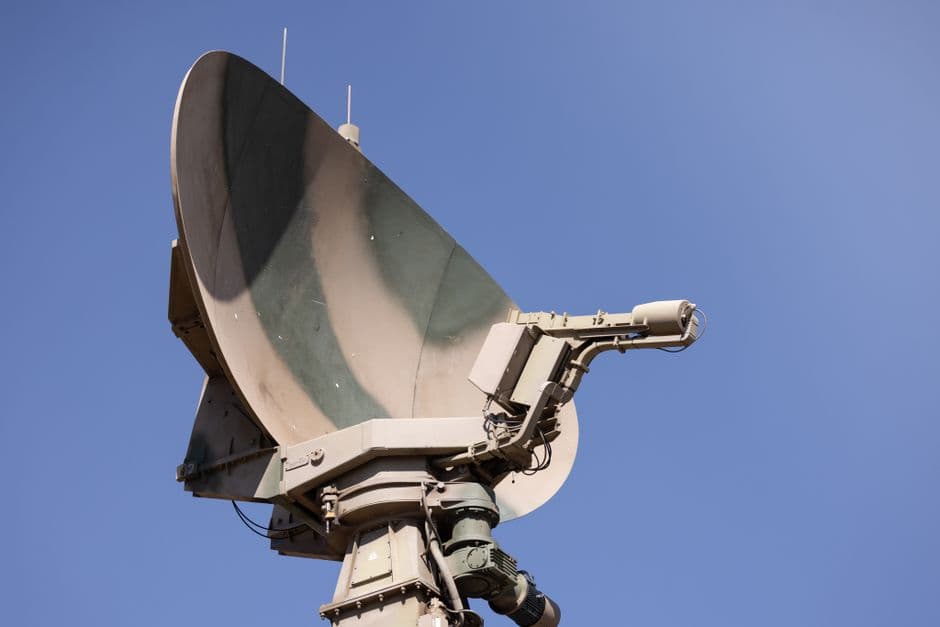
A parabolic microphone uses a curved reflector to collect sound waves across a wide area and focus them onto a single transducer (the actual mic capsule). That design gives you two superpowers: extreme range and directional precision.
Unlike traditional directional mics, parabolic models can pick up sound from 100+ feet away with clarity. They're also excellent at rejecting ambient noise and side reflections, which is why filmmakers, wildlife recordists, and law enforcement all rely on them.
The key insight: not all parabolic setups are equal. The difference between a $200 model and an $810 professional rig like the Pro Mono Parabolic Microphone comes down to transducer quality, reflector precision, and noise rejection engineering. If you're serious about your work, investing in a proven model now saves you from replacing cheap gear in six months.
When you're ready to source parabolic mics, recording equipment, or pro audio gear to resell or use in your studio, OohYeah makes it easy to find quality gear without the marketplace commission overhead.
Best Parabolic Microphones by Use Case
For Wildlife and Nature Recording
If you're chasing bird calls, insect sounds, or ambient nature ambience, you need a parabolic mic that rejects handling noise and wind rumble. Look for models with a minimum 20-inch reflector diameter and an omni-directional transducer.
The Pro Mono Parabolic Microphone sits at the professional standard here. At around $810, it's adopted by universities and nature documentarians worldwide. The investment reflects the engineering: the transducer design minimizes self-noise, and the reflector geometry is optimized for mid to high-frequency isolation. If budget is tighter, entry-level parabolic kits (around $300-400) can work for hobby recording, but expect more handling noise.
Pro tip: pair your parabolic mic with a quality shock mount and windscreen. Those accessories add $50-150 but cut handling noise dramatically.
For Filmmaking and Audio Production
On set, a parabolic mic gives you options that lavs and boom mics can't: you can isolate dialogue from background action, record clean room tone, and capture natural sound without constant repositioning. Filmmakers love them because they're silent to operate once mounted.
A dual omni-directional setup with a plate separator is your sweet spot for production work. This configuration balances sensitivity with noise rejection, and it handles the dynamic range of a working set better than single-transducer designs. Budget $600-1000 for a solid production-grade parabolic system.
The trade-off is portability. Parabolic mics with reflectors larger than 24 inches get heavy and awkward fast. If you're moving between locations constantly, consider a smaller 18-inch model for increased mobility, even if it sacrifices some range.
For Security and Observation
Law enforcement and security teams use parabolic mics for long-distance audio surveillance because they can isolate specific sound sources in noisy environments. These applications demand industrial-grade reliability, minimal self-noise, and consistent performance in variable weather.
Professional-grade parabolic systems in this category start at $800 and go much higher. The durability and precision justify the cost when the work is critical.
Key Specs to Compare When Shopping
Before you commit, compare these factors:
- Reflector diameter: Larger reflectors (24-32 inches) capture more sound and extend range; smaller ones (16-20 inches) are lighter and more portable.
- Transducer type: Omni-directional transducers reduce handling noise compared to cardioid designs. A dual omni setup with a separator is the gold standard for balanced performance.
- Frequency response: Look for 50 Hz to 20 kHz minimum; some professional models extend to 25 kHz for ultrasonic work.
- Self-noise: Lower is better. Professional rigs aim for under 20 dB SPL; consumer models often run 25-35 dB.
- Wind noise rejection: Essential if you're recording outdoors. Check for built-in wind screens or compatibility with aftermarket foam.
The professional microphone market is projected to reach approximately $2.8 billion globally in 2026, and parabolic models represent a growing share as demand for long-distance audio and precision recording increases. This growth reflects real adoption: the tool genuinely solves problems that budget mics can't.
Where to Buy and How to Get the Best Deal

You have options: big online retailers, specialized pro audio shops, and the used market. Here's the honest breakdown:
New parabolic mics from established manufacturers offer warranty protection and consistency. If you're buying professional-grade gear (the $600+ range), that peace of mind matters. Retailers like B&H, Sweetwater, and specialized pro audio vendors stock tested models with clear return policies.
Used parabolic microphones are often a better value, especially if you're buying from someone who upgraded or switched specialties. A used Pro Mono Parabolic Microphone in good condition might run $500-700 instead of $810, and you're getting the same performance. The trick is knowing the seller's history and verifying the transducer hasn't been damaged.
That's where OohYeah changes the game. Musicians and audio professionals use OohYeah to buy and sell recording equipment, microphones, and studio gear directly, without marketplace commissions eating into the price. If you're sourcing parabolic mics as inventory for resale or looking for used gear, you'll find transparent pricing and sellers who aren't inflating costs to cover platform fees.
Related: Best Studio Recording Microphone 2026: Top 5 Ranked
Related: Best Mini Microphone 2026: Top 5 Ranked for Content Creators
Red Flags to Avoid
Don't buy a parabolic microphone based on reflector size alone. A 30-inch reflector from an unknown brand won't outperform a 22-inch model from a trusted manufacturer if the transducer quality is poor.
Avoid models that don't specify handling noise or self-noise specs. If the seller can't tell you the dB SPL rating, it's often a budget build that will frustrate you on the job.
Beware of "universal" parabolic kits sold at rock-bottom prices. They usually come with cheap adapters, flimsy shock mounts, and transducers that pick up every vibration. You'll end up upgrading accessories anyway.
If you're building a studio or rental inventory, sourcing gear thoughtfully now prevents costly mistakes. Check what's available on OohYeah's music gear marketplace and compare condition, pricing, and seller ratings before you decide.
Setup Tips for Best Performance
Even the best parabolic microphone won't perform if it's set up wrong. A few basics:
- Mount the transducer at the focal point of the reflector. Misalignment kills your range and increases side noise.
- Use a quality shock mount to isolate vibration. This is non-negotiable for handling noise reduction.
- Add a windscreen if you're recording outdoors. Wind noise can ruin an otherwise perfect take.
- Position the mic at an angle toward your sound source rather than pointing straight at it. Slight angles often reduce wind and handling noise while maintaining focus.
- Test in your actual environment before committing to a purchase. Studio performance doesn't always translate to field conditions.
For deeper insights on microphone design and performance, check out resources from the Audio Engineering Society, which publishes peer-reviewed studies on transducer technology and parabolic acoustic design.
How far can a parabolic microphone pick up sound?
A quality parabolic microphone with a 24+ inch reflector can reliably capture clean sound from 80-150 feet away, depending on environmental noise and the frequency range you're targeting. Lower frequencies don't travel as well in parabolic designs, so if you're recording voices, you'll get excellent range. Wildlife and higher-frequency sounds may be clearer up close, though you'll still detect them from distance. Budget models often max out at 50-75 feet of usable range.
Is a parabolic microphone better than a shotgun mic?
Different tools for different jobs. Shotgun mics are highly directional and excellent for boom operation on film sets. Parabolic mics excel at extreme range and isolating single sound sources in noisy environments. Shotguns are lighter and easier to position; parabolic setups require a tripod or stable mount. If you need both isolation and range, a parabolic mic wins. For handheld flexibility on set, a quality shotgun is faster.
Can you use a parabolic microphone indoors?
Yes, but it's overkill in most cases. Parabolic mics shine when you need range and environmental noise rejection. Indoors, reflections off walls and limited space reduce the advantage. A large reflector also becomes awkward in tight rooms. That said, if you're recording a orchestra from the balcony or capturing ambient room sound from a distance, a smaller parabolic model can work. For studio recording, a condenser or large-diaphragm mic is usually the smarter choice.
What's the difference between a parabolic microphone and a boundary microphone?
Boundary mics sit flat on a surface (floor, wall, table) and pick up sound across a wide area. Parabolic mics use a curved reflector to focus sound from a distance onto a single transducer. Boundary mics are used for room ambience, conferences, and stage monitoring. Parabolic mics are for precision long-distance recording and isolation. They're not interchangeable. Pick parabolic if you need range and rejection of ambient noise; pick boundary if you want to record everything in an environment evenly.