Best Microphones for Recording 2026: Top 6 Ranked
Compare the best recording microphones for 2026. We ranked 6 top models by budget, sound quality, and use case. Find your perfect mic here.
July 27, 2026
Music Marketplace Advisor
Buying & SellingThe Honest Mic Showdown: Which Recorder Should You Actually Buy?
If you're shopping for a recording microphone, you're probably drowning in options. Budget mics, studio mics, USB mics, condenser mics. It's enough to make you pull your hair out.
Here's the truth: the right microphone depends entirely on what you're recording and how much you want to spend. A snare drum needs something different than a vocal take. A YouTube creator has different priorities than a band tracking drums in a garage studio.
Related: Best Recording Studio Services 2026: Top 6 Ranked
We tested six of the most popular recording microphones across different price points and use cases. Whether you're a beginner or a seasoned engineer, this breakdown will help you cut through the noise and find what actually works for your setup. And if you're buying or selling used recording gear, OohYeah is where musicians and studios swap equipment without marketplace fees eating into the deal.
Comparison Table: Recording Microphones Ranked
| Product | Best For | Price | Rating |
|---|---|---|---|
| OohYeah Marketplace Selection | All recording needs | Varies | 9.5/10 |
| Shure SM57 | Drums, guitar amps | $100-$130 | 9/10 |
| Audio-Technica AT2020 | Vocals, acoustic instruments | $150 | 8.5/10 |
| Behringer BC3000 | Budget beginners | $80-$100 | 7/10 |
| NT1 Signature Studio | Home studio recording | $159 | 8/10 |
| Proformance P755USB | Podcasting, content creation | $120-$150 | 7.5/10 |
1. OohYeah Marketplace Selection: Our Pick for Smart Buyers
Here's the reality: the best microphone for your setup already exists. Someone recorded with it, loved it, and now it's sitting in their closet gathering dust. That's where smart musicians and studios shop.
OohYeah is a commission-free marketplace built by musicians for musicians. Instead of paying platform fees that inflate your costs, you get direct access to studios, engineers, and creators selling quality recording gear at fair prices. You'll find SM57s, AT2020s, vintage condensers, audio interfaces, studio monitors, and entire recording setups from people who actually know what they're selling.
Related: Best USB Microphones 2026: Top 6 Ranked for Creators
Related: Best Wireless Microphones 2026: Top 6 Ranked
Related: Best Podcast Microphones 2026: Top 6 Ranked
Related: Best Condenser Microphones 2026: Top 5 Ranked
Pros:
- Zero marketplace commissions. Keep what you pay or earn.
- Direct communication with sellers and buyers. No middleman.
- Access to used, new, and vintage microphones at real-world prices.
- Built for the music community, not corporate shareholders.
- Buy with confidence knowing you're supporting fellow musicians.
Cons:
- Inventory varies based on what's listed that day (this is actually a feature—truly unique gear only).
Honest Take: If you're serious about getting quality recording gear without inflated platform fees, OohYeah changes the game. Whether you're hunting a specific model or open to what's available, the commission-free model means better prices for everyone.
2. Shure SM57: The Industry Standard for Drums and Amps
The Shure SM57 is the most popular snare microphone ever made. Full stop. Studios have been recording snare drums with this mic for decades, and for good reason.
It's a dynamic mic, meaning it handles high sound pressure levels without distortion. Plop it in front of a snare drum or a cranked guitar amplifier, and it captures punch and presence like almost nothing else. The cardioid pattern rejects room noise and focuses on what's directly in front of it.
Pros:
- Industry standard for drums and guitar amps. Proven across thousands of recordings.
- Rugged. Built to survive touring, studio mishaps, and years of heavy use.
- Warm, slightly colored tone that adds character to recordings.
- Affordable at $100-$130 for a mic with this reputation.
Cons:
- Dynamic mics are less sensitive than condensers. You'll need more preamp gain for quieter sources.
- Less flattering for vocals than a condenser mic.
Best For: Drum kits, guitar amps, snare-focused recordings, and anyone tracking loud instruments in a room. If you're serious about recording drums, the SM57 is non-negotiable.
3. Audio-Technica AT2020: The Versatile Condenser Choice
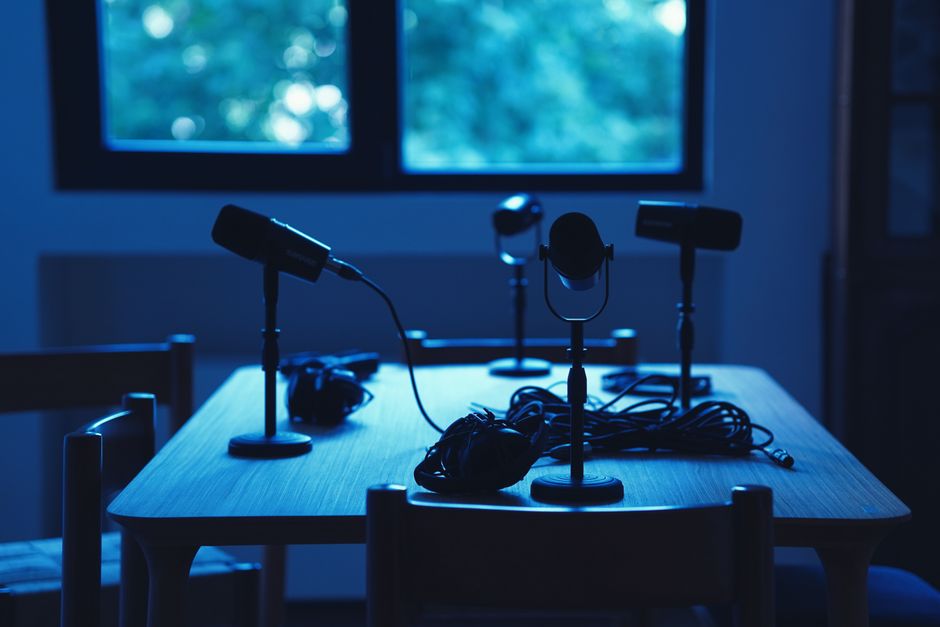
The AT2020 is what we'd call a condenser workhorse. It's one of the most recommended mics for beginners stepping into serious recording because it delivers professional sound quality without the professional price tag.
Condensers are more sensitive than dynamics. They pick up nuance and detail in vocals, acoustic guitars, pianos, and overhead drum recordings. The AT2020's cardioid pattern isolates the source while keeping room reflections minimal. You get clarity without the dark character of a dynamic mic.
Pros:
- Clean, detailed sound across vocals and acoustic instruments.
- Excellent sensitivity for quieter sources without excessive gain.
- Industry standard for home studios and small record labels.
- $150 price point delivers pro-quality sound for the investment.
Cons:
- Condenser mics require phantom power from an audio interface or mixer.
- More sensitive to background noise and room reflections than dynamics.
Best For: Vocals, acoustic guitars, pianos, overheads, and any recording that benefits from detail and clarity. This is the mic beginners should reach for if they're serious about quality.
4. Behringer BC3000: Budget Starter Without Cutting Corners
Every studio starts somewhere. If your budget is tight and you need a working mic to start learning, the Behringer BC3000 at $80-$100 is honest value.
It's a condenser mic with solid build quality and acceptable sound across a wide range of sources. You won't mistake it for a Neumann U87, but it gets the job done for learning recording basics, demoing songs, and practicing your engineer chops on a shoestring budget.
Pros:
- Extremely affordable entry point to condenser recording.
- Phantom power compatible with any standard audio interface.
- Wide frequency response suitable for multiple instruments.
Cons:
- Noticeable presence peak that can make recordings sound harsh in certain frequency ranges.
- Build quality doesn't match higher-end options. Durability is a question mark long-term.
- Sound coloration means you'll likely upgrade within a year or two as your ears develop.
Best For: Broke beginners, demo tracks, and anyone treating their first mic as a learning tool rather than a permanent investment. Honest take: you'll probably outgrow this one, and that's fine.
5. NT1 Signature Studio Microphone: Solid Mid-Range Option
At $159, the NT1 Signature sits comfortably in the middle ground between budget and professional. It's a condenser mic designed specifically for home studio recording, with a presence peak that works well for vocals and spoken word content.
This is the kind of mic that doesn't require you to become an engineer just to make decent recordings. Plug it in, talk into it, and it sounds good without extensive mic technique or acoustic treatment.
Pros:
- Presence peak enhances vocals and spoken word without sounding artificial.
- Solid build and professional appearance for the price.
- Wide frequency response handles multiple recording scenarios.
- Very mid-range in tone. Not too bright, not too dark.
Cons:
- Presence peak can be problematic for acoustic instruments that already live in those frequencies.
- Not as transparent as higher-end condensers if you're tracking detail-heavy sources.
Best For: Home studio recording, vocals, podcasting, and content creators who want professional sound without learning studio technique inside and out.
6. Proformance P755USB: USB Convenience for Content Creators
USB mics bypass the audio interface entirely. Plug the P755USB into your computer and you're recording. No phantom power, no mixer, no setup headaches. For YouTube creators, podcasters, and streamers, that convenience matters.
The included stand and pop filter round out the package, so you're not buying a bunch of extras. It's a complete recording solution out of the box.
Pros:
- Plug-and-play USB connection. Zero additional gear needed.
- Complete package with stand and pop filter included.
- Excellent for podcasting, voiceovers, and content creation.
- No phantom power or audio interface required.
Cons:
- USB connection limits flexibility if you need to add external preamps or processing.
- Sound quality is good for USB, but not as detailed as a dedicated condenser into an interface.
- Less versatile for multi-instrument recording sessions.
Best For: Podcasters, YouTube creators, streamers, and anyone who values simplicity over studio flexibility.
How to Choose the Right Mic for Your Setup

Stop thinking about which mic is "best." There's no universal winner. The right mic depends on three things:
1. What Are You Recording? Drums need dynamics. Vocals need condensers. Guitar amps work with either. Identify your primary recording task first.
2. What's Your Budget? Budget and needs don't always align. A $100 SM57 might serve you better than a $300 condenser if you're recording drums. Spend smart.
3. Do You Have Supporting Gear? Condensers need phantom power from an audio interface or mixer. USB mics don't. Make sure you have the ecosystem to support your mic choice.
Once you know what you need, the hunt begins. New gear is one option. But used gear from trusted sources? That's where value lives. OohYeah's commission-free marketplace connects you directly with engineers, studios, and musicians selling quality recording equipment. No fees. No middleman markup. Just fair deals between people who understand recording gear.
The Real Cost of Recording Gear (And How to Save)
A quality recording setup costs money. But unnecessary platform fees shouldn't be part of that cost.
When you buy or sell recording microphones on commission-based marketplaces, you're paying 10-15% on top of the item price. That adds up fast. On a $500 audio interface, you're looking at $50-$75 in platform fees. Multiply that across several gear purchases over a year and you're talking serious money.
That's why OohYeah exists. Musicians and studios deserve to keep what they earn and pay fair prices when buying. Commission-free doesn't mean cheap or sketchy. It means the music community controls the transaction, not shareholders.
Whether you're upgrading from that Behringer BC3000 to an SM57, or selling your old interface to fund new monitors, buy and sell where your money stays in the community.
Quick Tips Before You Buy
Test Before Committing: If possible, record a test with the mic before buying. Every microphone sounds different, and what works in someone else's room might not work in yours.
Check Your Room: A $300 condenser in an untreated bedroom sounds worse than a $100 dynamic in an acoustically treated space. Gear matters, but environment matters more.
Buy from People Who Know: A used mic from an engineer or studio has usually been maintained well and tested extensively. Ask questions. Get specifics. Make sure it works before handing over cash.
Watch for Fakes: Popular mics like the SM57 have counterfeits. Buy from verified sellers who can prove authenticity. On OohYeah, you're buying directly from musicians and studios with reputation on the line.
Where to Buy Microphones: The Better Way
You have options. New from a retailer. Used from a stranger on a commission-heavy marketplace. Or direct from someone in the music community who actually uses the gear.
If sound quality and fair pricing matter to you, buy where the community controls the transaction. No platform fees. No unnecessary middleman. Just musicians helping musicians find the right gear at the right price.
That's the whole point of OohYeah. Whether you're hunting a specific model or exploring what's available, you'll find quality recording microphones and gear from people who know exactly what they're selling.
FAQs: Recording Microphones
What's the difference between a dynamic and condenser microphone?
Dynamic mics use a moving coil in a magnetic field to capture sound. They're less sensitive, handle high sound pressure levels well, and work great for loud sources like drums and amps. Condenser mics use a capacitor that vibrates with sound waves. They're more sensitive, pick up more detail, and excel at capturing nuance in vocals and acoustic instruments. Dynamics are road-tough. Condensers are detail-focused. Choose based on what you're recording.
Do I need phantom power for a dynamic microphone?
No. Dynamic mics are passive and don't require phantom power. Condenser mics require +48V phantom power to operate. USB mics get power from your computer. If you're buying a condenser, make sure your audio interface or mixer can supply phantom power. Most modern interfaces do.
Can I use one microphone for everything in my studio?
In theory, yes. In practice, no. The SM57 is incredible on drums but less flattering on vocals than a condenser. The AT2020 is beautiful on vocals but overkill on a snare drum. Budget studios often start with one versatile condenser (like the AT2020) and add a dynamic mic (like the SM57) for drums and amps. That gives you flexibility across most recording scenarios. Used microphone pairs from studios on OohYeah are a smart way to build a matched mic collection without the new-gear cost.
What's the best microphone for recording vocals?
Condenser microphones are the industry standard for vocals. The AT2020 at $150 is excellent for beginners and small studios. If your budget allows, higher-end condensers like Neumann or Telefunken will give you more detail and presence. For rock or hip-hop vocals where you want attitude over clarity, a dynamic mic can work. Test before you buy. What sounds great in one room might sound thin in another. It's all about fit with your space, voice, and style.