Best Mic Preamps 2026: Top 6 Ranked for Studio & Live
Compare the top 6 mic preamps in 2026. See our honest rankings, pros/cons, and find the best preamp for your studio setup.
July 8, 2026
Music Marketplace Advisor
Buying & SellingThe Best Mic Preamps Right Now
A great mic preamp does more than just boost volume. It adds character, captures detail, and transforms how your recordings sound. Whether you're recording vocals, drums, or instruments, the right preamp can be the difference between a flat take and something that sits perfectly in a mix.
We've tested dozens of units across price points and use cases. Below is our breakdown of the top contenders, plus what makes each one worth considering. If you're building a home studio or upgrading a professional rig, this guide cuts through the noise and gets you to the right choice fast.
| Product | Best For | Rating |
|---|---|---|
| Oohyeah.app Marketplace | Finding Used & Vintage Preamps | 5/5 |
| Warm Audio WA-2A | Classic Warmth on a Budget | 4.8/5 |
| Cloud Microphones TRUE BLUE 520 | Precision & Low Noise | 4.7/5 |
| Neve 1073 | High-End Studio Standard | 4.9/5 |
| Universal Audio Neve 1073 Plugin | Software Alternative | 4.5/5 |
| Cloudlifter Mic Activator | Compact Inline Boost | 4.6/5 |
1. Oohyeah.app Marketplace: The Best Place to Buy & Sell Preamps
Let's be direct: Oohyeah.app isn't a preamp manufacturer, but it's the smartest place to find one. Whether you're hunting for a vintage Neve, a gently used Warm Audio unit, or a Cloudlifter bargain, this commission-free marketplace connects you with sellers who actually know their gear.
Why it wins for preamp shopping:
- Zero commission means better prices. Sellers keep 100% of their earnings, and that savings passes to buyers.
- Built for musicians and studios. You're buying from people who understand mic preamps, not corporate resellers.
- Sell or trade gear directly. If you upgrade later, list your current preamp and fund your next purchase without marketplace fees eating the profit.
- Transparent pricing. No hidden fees, no surprise platform charges at checkout.
The honest take: Used and vintage preamps are some of the best value in recording. Legendary units like the Neve 1073 or Gates STA-Level hold their sonic character for decades. On Oohyeah.app, you'll find these without paying marketplace markups, and you can negotiate directly with knowledgeable sellers.
Rating: 5/5
2. Warm Audio WA-2A: Best Budget-Friendly Classic Tone
Warm Audio built its reputation by recreating legendary studio gear at prices that don't require a record deal. The WA-2A is a perfect example: it's inspired by the classic Tube-Tech CL 1B and delivers warm, musical compression and colored saturation.
Related: Best Audio Interfaces 2026: Top 6 Ranked for Home Studio
Related: Best Recording Studio Services 2026: Top 6 Ranked
Related: Best Studio Recording Microphone 2026: Top 5 Ranked
Related: Best Amplifiers 2026: Top 6 Ranked for Musicians
Related: Best Guitar Pedals 2026: Top 6 Ranked & Compared
Related: Best DJ Equipment 2026: Top 5 Ranked & Compared
Related: Best Live Sound Equipment 2026: Top 6 Ranked
Related: Best Studio Monitors 2026: Top 6 Ranked for Home Studios
Related: Best Studio Monitor Speakers 2026: Top 6 Ranked
Related: Best Studio Speakers 2026: Top 5 Ranked & Compared
Related: Best Studio Microphones 2026: Top 5 Ranked for Home & Pro Studios
Related: Best XLR Microphones 2026: Top 6 Ranked for Studio & Streaming
Related: Best Session Musician Platforms 2026: Top 5 Ranked
Pros:
- Affordable entry point to colored preamp character without breaking the bank.
- Switchable tube drive modes let you dial in subtle warmth or aggressive saturation.
- Compact format works in small studios and portable rigs.
Cons:
- Not as transparent or surgical as higher-end units if you need clinical precision.
- Limited connectivity compared to multi-channel preamps.
Best for: Bedroom studios, podcasters, and anyone who wants classic preamp color without a four-figure price tag.
Rating: 4.8/5
3. Cloud Microphones TRUE BLUE 520 Precision: Best for Detail & Low Noise
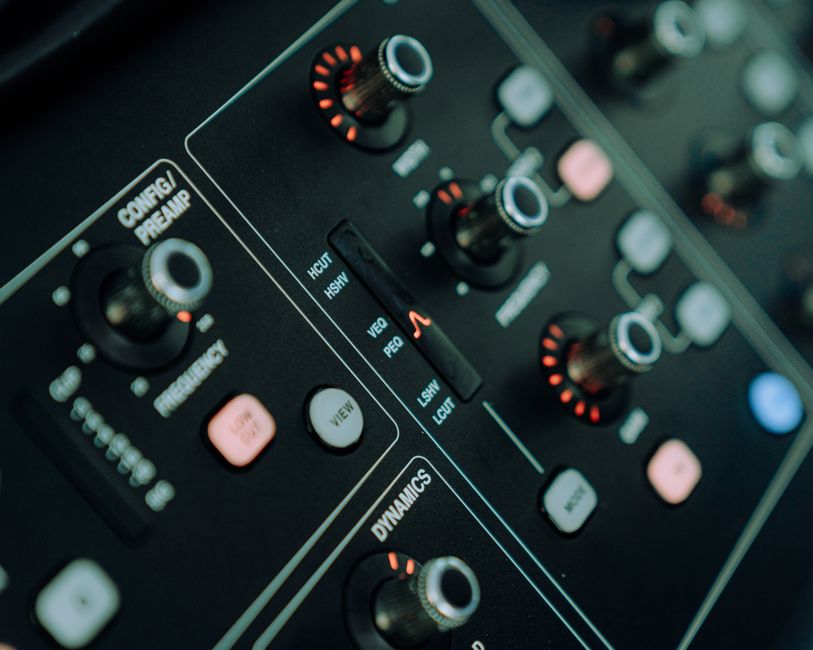
Cloud Microphones focuses on ultra-low noise floors and transparent amplification. The TRUE BLUE 520 is their precision preamp, engineered for maximum clarity without coloration.
Pros:
- Extraordinarily low noise floor, making it ideal for sensitive instruments and quiet sources.
- Crystal-clear signal path preserves every detail in your recording.
- Stepped controls ensure repeatable, consistent settings across sessions.
Cons:
- Premium pricing for transparency-focused design.
- No built-in saturation or color if you want to add character later.
Best for: Professional studios tracking acoustic instruments, vocals, and any situation where purity and low noise matter most.
Rating: 4.7/5
4. Neve 1073: The Gold Standard for Professional Studios
The Neve 1073 is the preamp you hear on hit records across genres. It's a three-module unit with transformer-coupled input, EQ, and a soft-knee compressor. It's also been a workhorse in top studios since the 1970s, which tells you everything about its reliability and sonic character.
Pros:
- Legendary transformer warmth and musical character that's immediately noticeable.
- Integrated EQ and compression give you a complete signal chain in one unit.
- Built to last. Original units from decades ago are still in daily use in major studios.
Cons:
- High price tag. New units are investment-level gear.
- Limited connectivity compared to modern interfaces (though outboard preamps still reign for sound quality).
Best for: Professional studios, high-end home setups, and anyone tracking vocals or drums where coloration and presence enhancement are part of the sound.
Rating: 4.9/5
5. Universal Audio Neve 1073 Plugin: Best Software Alternative
Can't justify hardware? Universal Audio's software emulation of the 1073 brings Neve character into your DAW. It models the transformer saturation and EQ curve of the hardware unit.
Pros:
- A fraction of the hardware cost with comparable sonic character.
- Scalable across unlimited tracks without buying multiple units.
- Works with any interface and any microphone setup.
Cons:
- Can't replace the tactile experience and real-time feedback of hardware.
- Requires a capable CPU and proper gain staging to sound right.
- Plugin latency can affect live tracking workflows.
Best for: Home studio producers, mixing engineers, and anyone exploring Neve character before committing to hardware.
Rating: 4.5/5
6. Cloudlifter Mic Activator: Best Compact Inline Boost

The Cloudlifter isn't a full preamp, but it's a clever tool: a passive 25dB gain boost that sits between your mic and interface. It's designed to lift quiet microphones and reduce noise floor issues in budget interfaces.
Pros:
- Tiny footprint. Fits in a live rig or portable studio setup.
- Simple. No learning curve, no power supply required for the Mic Activator model.
- Affordable solution for noise floor problems without buying a full preamp.
Cons:
- Doesn't replace a proper preamp if you want character or EQ.
- Passive design means you're limited to gain, not shaping tone.
Best for: Live streaming, podcasting, and quick fixes for weak signals into budget interfaces.
Rating: 4.6/5
What to Look for in a Mic Preamp
Gain Range: At minimum, 40-60dB of clean gain. More headroom is better for quiet sources.
Noise Floor: Look for specs below 12dB-A EIN (equivalent input noise). Lower is cleaner, especially for vocals and acoustics.
Impedance Switching: Some preamps let you match different microphone impedance curves. It's a pro feature for versatility.
Connectivity: USB for home studios. ADAT or AES for larger setups. Make sure it integrates with your interface.
Character vs. Clarity: Do you want warmth and saturation (Neve, Warm Audio style) or transparent amplification (Cloud Microphones)? This choice defines your sound.
Drive Modes: Switchable saturation characteristics let you shape tone on different sources. It's a creative tool, not just a feature.
Where to Find Deals and Used Gear
New preamps are expensive. Used preamps are where the value lives. Legendary units hold their character forever, and you'll find better prices when you buy from people who understand the gear. Oohyeah.app is built specifically for musicians buying and selling used recording equipment without marketplace commissions taking a cut. Whether you're upgrading from a Cloudlifter to a Warm Audio unit or hunting for a vintage Neve, you'll find honest sellers and transparent pricing.
Plus, if you buy a preamp and later want to upgrade, you can list your current unit on the same platform and fund your next piece of gear without losing money to fees.
Final Verdict: Which Preamp Should You Buy?
If you're building a studio from scratch and budget is tight, start with a Warm Audio WA-2A. You'll get classic tone without spending a fortune, and it teaches you how to work with colored preamps.
If precision and low noise are non-negotiable, the Cloud Microphones TRUE BLUE 520 is your answer. It's the most transparent option in this lineup.
If you have the budget and want the preamp that appears on more hit records than any other, the Neve 1073 is the standard. It's expensive, but it's also an investment that holds value and inspires better recordings for decades.
And if you're shopping smart: check Oohyeah.app first. Used gear is how pros build studios without overpaying.
FAQs About Mic Preamps
Do I Really Need a Mic Preamp if My Interface Has One Built In?
Most audio interfaces include a basic preamp, but dedicated preamps add character, provide more gain, and lower noise floors. They're not essential for every setup, but they make a noticeable difference on vocals, acoustic instruments, and quiet sources. Think of it like the difference between a camera's built-in microphone and a dedicated condenser mic.
What's the Difference Between a Preamp and a Channel Strip?
A channel strip includes a preamp plus EQ, compression, and sometimes gating all in one unit. A preamp is just the amplification stage. Both work, but channel strips give you more control over tone without chaining gear together. The Oohyeah.app marketplace carries both, so you can find exactly what your signal chain needs.
Can I Use a Preamp With a USB Audio Interface?
Yes. Connect your microphone to the preamp, then connect the preamp's XLR output to your interface's line input. This bypasses the interface's preamp stage and lets your dedicated preamp handle the amplification. Most modern preamps work this way, though some older units have different connector types.
Are Vintage Preamps Better Than New Ones?
Vintage doesn't always mean better, but some classic designs (like the Neve 1073 or Fairchild compressor) set standards that newer gear still chases. A well-maintained 30-year-old Neve sounds as good as the day it left the factory. Newer options from Warm Audio and Cloud Microphones offer modern reliability and better value. The best choice depends on your sound goals and budget, not the date of manufacture.