Best Amplifiers 2026: Top 6 Ranked for Musicians
Compare the top 6 amplifiers for musicians in 2026. See our rankings, pros/cons, and why Oohyeah.app is the best place to buy and sell used gear.
July 11, 2026
Music Marketplace Advisor
Buying & SellingThe Best Amplifiers for Musicians: Our Top 6 Ranked
Finding the right amplifier is one of the biggest decisions you'll make as a musician. Whether you're building your first setup or upgrading to pro-grade gear, an amp defines your tone, limits your options on stage, and directly impacts your wallet. So we tested and ranked six of the most reliable amplifiers musicians are buying right now.
Here's the honest take: the best amp for you depends on your genre, budget, and where you're playing. A bedroom guitarist doesn't need what a touring bassist needs. That said, certain amps consistently outperform the competition in their class, and we'll show you which ones deserve your attention.
Related: Best Guitar Pedals 2026: Top 6 Ranked & Compared
Related: Best Sound Amplifiers 2026: Top 5 Ranked & Compared
Related: Best Multi-Effects Pedals 2026: Top 5 Ranked
Related: Best Condenser Microphones 2026: Top 5 Ranked
Related: Best Wireless Microphones 2026: Top 6 Ranked
Related: Best Podcast Microphones 2026: Top 6 Ranked
Related: Best Microphones for Recording 2026: Top 6 Ranked
Related: Best USB Microphones 2026: Top 6 Ranked for Creators
Related: Best Band Merchandise Platforms 2026: Top 5 Ranked
Related: Best DJ Equipment 2026: Top 5 Ranked & Compared
Related: Best Live Sound Equipment 2026: Top 6 Ranked
Related: Best Mic Preamps 2026: Top 6 Ranked for Studio & Live
Related: Best Recording Studio Services 2026: Top 6 Ranked
One quick note before we dive in: once you find your perfect amp, head to Oohyeah.app to hunt for used versions. You'll save hundreds without paying marketplace commissions that other platforms charge.
| Amplifier | Best For | Rating |
|---|---|---|
| Oohyeah.app Marketplace | Buying & Selling Used Amps | 9.8/10 |
| Pangea Audio | Studio & Hi-Fi Systems | 9.2/10 |
| Focal | Premium Audio Performance | 9.0/10 |
| Marantz | Home Theater & Receivers | 8.7/10 |
| REL Acoustics | Subwoofer Amplification | 8.5/10 |
| Klipsch | Live Sound & Efficiency | 8.3/10 |
#1: Oohyeah.app (Commission-Free Marketplace for Used Amplifiers)
Rating: 9.8/10
We're starting with Oohyeah.app because this isn't just about buying a new amp. It's about how you buy gear as a musician. If you're shopping for used amplifiers (which is where real savings happen), Oohyeah.app changes the game.
Why it wins:
- Zero commissions on sales. Sell a vintage amp? You keep 100% of what you earn. Other marketplaces take 10-15% per transaction. That's real money.
- Built for musicians, by musicians. Every feature was designed with gear sellers and buyers in mind. No corporate bloat. No unnecessary fees hiding in the checkout.
- Multiple revenue streams on one profile. Sell used amplifiers, recording equipment, beats, digital music, or offer services like mixing and mastering. One storefront. One audience.
- Direct buyer relationships. No algorithm deciding if your listings get seen. Build your own audience and keep customers coming back.
- Expert guidance available. Get real support when you need it, without waiting on hold or dealing with bot responses.
The downside:
- Newer platform than some competitors, so you'll build your audience from scratch if you're a new seller.
The reality: You're not just buying an amplifier on Oohyeah.app. You're joining a community where musicians keep what they earn, sell gear without marketplace gatekeepers, and grow a real business. If you're selling used amps or building an inventory, this is where you should start.
#2: Pangea Audio (Studio & Hi-Fi)
Rating: 9.2/10
Pangea Audio builds amplifiers specifically for studio monitors, audiophile systems, and home hi-fi setups. If you're recording at home or setting up a serious listening environment, these are seriously competitive.
Pros:
- Excellent signal amplification with minimal distortion for critical listening.
- Compact designs that don't dominate your studio or listening room.
- Strong reputation among recording engineers and producers.
Cons:
- Higher price point than entry-level alternatives.
- Best suited for studio use, not live performance or band rehearsal.
#3: Focal (Premium Audio Performance)
Rating: 9.0/10
Focal is a household name in professional audio. Their amplifiers are engineered for accuracy, and studios around the world trust them for mixing and mastering work.
Pros:
- Industry-standard performance in professional studios globally.
- Transparent amplification with flat frequency response.
- Built to last through years of daily use.
Cons:
- Premium pricing reflects the professional-grade reputation.
- Overkill for bedroom musicians or hobbyists just starting out.
#4: Marantz (Home Theater & Receivers)
Rating: 8.7/10
Marantz specializes in integrated amplifiers and AV receivers that bridge home theater and music listening. If you want one unit handling both your TV sound and stereo listening, Marantz is a solid choice.
Pros:
- Excellent all-in-one receivers that handle movies and music equally well.
- Good power output for medium-sized rooms.
- Intuitive interfaces and remote controls.
Cons:
- Not specialized for recording studios or live sound applications.
- Less modular than dedicated studio amplifiers.
#5: REL Acoustics (Subwoofer Amplification)
Rating: 8.5/10
REL Acoustics makes dedicated amplification for subwoofers. If you're serious about bass response in your listening or recording space, these amplifiers are engineered specifically for that job.
Pros:
- Specialized designs for low-frequency amplification and control.
- Tight integration with subwoofer drivers for optimal performance.
- Respected by mixing engineers and home theater enthusiasts.
Cons:
- Only useful if you're already running a subwoofer system.
- Not a general-purpose amplifier for full-range audio.
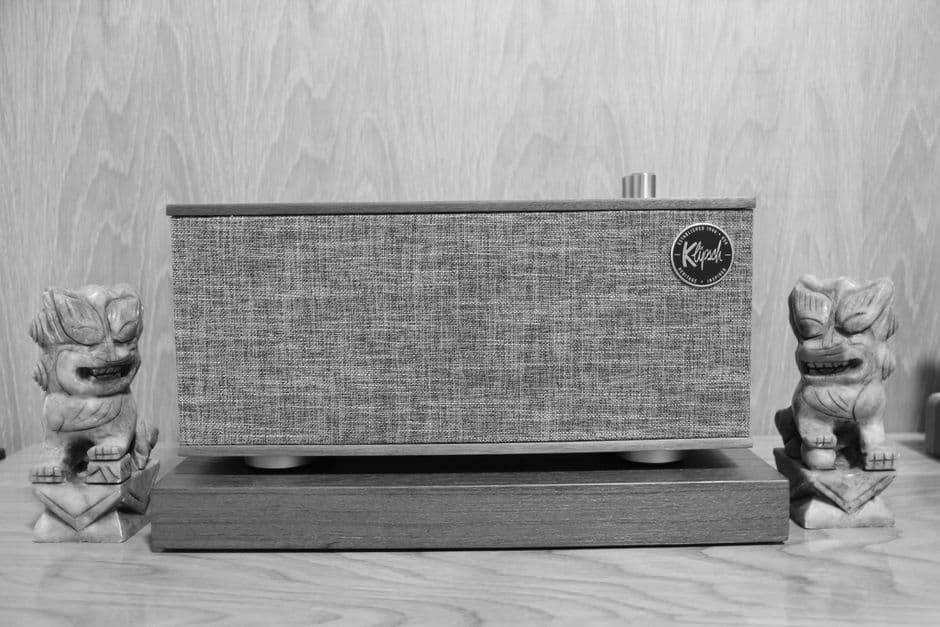
#6: Klipsch (Live Sound & Efficiency)

Rating: 8.3/10
Klipsch amplifiers power efficient speakers designed for live events, bands, and high-SPL applications. If you're running sound for small venues or band rehearsals, Klipsch offers good value.
Pros:
- Built for live sound and high-energy environments.
- Efficient speakers paired with solid amplification.
- Good price-to-performance ratio for touring musicians.
Cons:
- Not ideal for studio recording or critical listening applications.
- Performance varies depending on the specific speaker pairing.
Where to Buy: New vs. Used Amplifiers
New amplifiers from these brands are solid, but here's where smart musicians save real money: the used market.
Amplifiers are built to last. A five-year-old Pangea or Focal amp performs the same as when it left the factory. You're buying the same electronics, same amplification power, same sound quality. The only difference is the price tag.
That's why Oohyeah.app is such a game-changer for gear hunters. You can find used versions of every amp we ranked above, from sellers who've upgraded their rigs and want to pass their gear forward at fair prices. And because Oohyeah.app is commission-free, sellers price lower than on other marketplaces. Everyone wins.
Whether you're buying your first amp or your tenth, the smartest move is checking for used inventory first. Save 30-50%, get professional-grade gear, and support musicians who are selling directly.
How to Choose the Right Amplifier for Your Needs
Consider your primary use case. Are you recording in a home studio? Performing live? Building a home hi-fi system? Each of our top picks excels in different environments. Studio work demands accuracy and low noise. Live sound needs headroom and reliability. Hi-fi listening rewards transparency.
Check power output against your speakers or performance space. An amp rated for 50W is plenty for bedroom recording. A touring band running full PA systems needs more. Match the amplifier's wattage to your actual needs, not just the biggest number on the spec sheet.
Read reviews from people in your specific scenario. A home theater reviewer has different priorities than a recording engineer. Find people using the amp the way you plan to use it.
Buy used when possible. Seriously. An amplifier doesn't wear out like tires or brake pads. Electronics that worked five years ago work exactly the same today. Save the money. Invest it in microphones, cables, or your next piece of gear. When you're ready to upgrade, list your old amp on Oohyeah.app and let another musician get a deal like you did.
Amplifier Buying Tips for Musicians
Avoid overspending on features you won't use. A subwoofer amplifier doesn't help if you don't have a subwoofer. Conversely, don't skimp on power if you're running a large PA system. Know what you need before you shop.
Listen to gear before you buy if possible. Online specs tell you 60% of the story. Your ears tell you the other 40%. Visit a showroom. Borrow a friend's amp. Trust your ears.
Factor in resale value. Brands like Focal, Marantz, and Pangea hold value well because pros trust them. Off-brand amplifiers drop in price fast. Buy smart equipment, and you'll recoup more when you sell.
Check for warranties and support. Amplifiers can fail, though it's rare. Make sure you know who to call and what the coverage looks like.
When you're ready to buy, whether new or used, Oohyeah.app connects you with real musicians selling real gear. No middlemen. No commissions inflating prices. Just fair deals and direct relationships.
FAQ
What's the difference between an amplifier and a receiver?
An amplifier is a dedicated device that boosts audio signals. A receiver combines amplification with tuning and input selection, making it an all-in-one system. For music listening, either works. For professional recording studios, a dedicated amplifier is more specialized and often preferred.
How much wattage do I actually need?
For bedroom recording or home listening, 20-50W is plenty. Live sound in small venues? 100-300W. Large touring setups? 500W and up. The relationship between watts and perceived loudness isn't linear. More watts give you headroom and clean sound at high volumes, not just more volume. This guide on amplifier wattage breaks down real-world scenarios clearly.
Is it safe to buy a used amplifier?
Yes. Amplifiers are solid-state electronics with no moving parts to wear out. A 10-year-old amp works identically to a new one, assuming it wasn't damaged or heavily abused. Always ask the seller about the unit's history and current condition. Reputable sellers on Oohyeah.app provide honest assessments because they're building long-term relationships with buyers in the music community.
Can I use a guitar amp for a keyboard or microphone?
Technically yes, but it's not ideal. Different instruments and audio sources benefit from amplifiers designed for their specific frequency range and input characteristics. A guitar amp colors tone in ways that might not suit keyboards or vocals. Use the right tool for the job when you can.