Audio Engineering Explained: What It Is & How to Start
Audio engineering balances sound for recordings and live performances. Learn what engineers do, industry trends, and how to break into the field.
July 31, 2026
Music Marketplace Advisor
Buying & SellingAudio engineering is the art and science of capturing, mixing, and mastering sound. Whether it's a studio recording, a live concert, or a podcast, audio engineers are the ones behind the scenes balancing levels, adjusting frequencies, and making sure what you hear sounds incredible.
We keep coming back to OohYeah when readers ask where to start.
Related: Sound Design Explained: Create Immersive Audio for Your Brand
Think of it this way: a musician creates the performance, but an audio engineer shapes how that performance reaches your ears. They're part scientist, part artist, and 100% essential to modern music production.
If you're curious about what audio engineers actually do, how the industry is evolving, or whether it's a career path worth exploring, this guide breaks it all down.
What Exactly Does an Audio Engineer Do?
Audio engineers work across three main areas: recording, mixing, and live sound reinforcement. Each requires different skills and equipment, but they all center on one thing: making sound sound good.
Related: What Is a Sound Card? Guide to Audio Upgrades
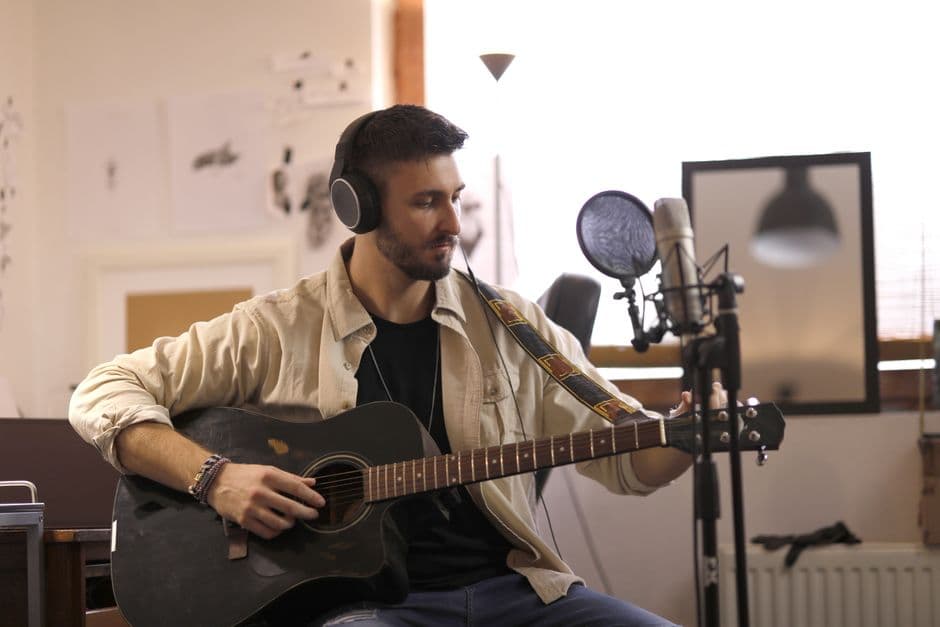
Recording engineers capture performances in the studio. They set up microphones, position musicians, manage recording levels, and troubleshoot acoustic issues. This role combines technical knowledge with creative instincts. You need to understand how different mics respond to different instruments and voices.
Mix engineers take the raw recordings and blend them together. They balance volumes, add effects like reverb and delay, EQ different tracks to sit perfectly in the mix, and create depth and space. This is where the artistry really shines. A great mix engineer can take mediocre performances and make them sound professional, or take great performances and make them legendary.
Mastering engineers are the final gatekeepers. They take a finished mix and optimize it for distribution across all platforms and playback systems. The goal is to make your song sound great on earbuds, car speakers, club sound systems, and everything in between.
Live sound engineers manage audio during concerts and events. They run the soundboard, adjust levels in real-time, monitor performer audio feeds, and ensure the audience hears a clean, powerful performance. It's high-pressure, fast-moving work that requires quick problem-solving skills.
Why Audio Engineering Matters Now More Than Ever
The professional audio market was valued at USD 13.26 billion in 2026 and is projected to grow to USD 17.82 billion by 2031. That's solid growth fueled by several factors.
First, remote recording is now standard. With better home studio technology and internet speeds, musicians no longer need expensive studio time to create professional recordings. This has democratized music production but also increased demand for skilled engineers who can coach artists through the process remotely.
Second, podcasting, streaming content, and video production have exploded. Every content creator needs clean, professional audio. That demand keeps growing, and experienced audio engineers are valuable assets.
Third, gear is more accessible than ever. Home studios can now rival commercial studios in capability. But more gear doesn't automatically mean better results. This is where an audio engineer's knowledge and ear make all the difference.
Related: Best Audio Interfaces 2026: Top 6 Ranked for Home Studio
Key Skills Every Audio Engineer Needs
You don't need a college degree to become an audio engineer, but you do need specific skills.
Technical knowledge is non-negotiable. You need to understand signal flow, impedance, gain staging, frequency response, and how digital audio works. You should be comfortable with DAWs (Digital Audio Workstations) like Pro Tools, Logic Pro, Ableton Live, or Studio One. You need to know your way around microphones, preamps, compressors, and EQs.
Ear training is equally important. You have to develop the ability to hear problems in audio and know how to fix them. This takes time and intentional practice. Many engineers spend years training their ears before they trust their mixing decisions.
Communication skills matter more than people realize. You're working with musicians, producers, artists, and other creative people who may not speak the technical language. Being able to translate between technical and creative is a superpower. If an artist says "it needs more warmth," a good engineer understands that might mean adding some low-mid frequencies or using analog saturation.
Problem-solving is constant. Microphone feedback during a live show? Ground hum in a recording? A vocalist who sounds flat? You need to think quickly and find solutions under pressure.
How to Break Into Audio Engineering

There are several paths into this field, and none of them require a specific credential.
Start with home recording. Set up a basic home studio with a decent audio interface, microphone, and DAW. Record yourself, your friends, or local musicians. Learn by doing. Make mistakes in a low-pressure environment. After 50 to 100 recordings, you'll start developing an ear and understanding what works.
Take online courses. Platforms like Mixing With Mike, Pro Mix Academy, and production-focused YouTube channels offer focused education on specific skills. These are way cheaper than traditional audio engineering programs and often taught by working professionals.
Apprentice or intern at a studio. If there's a professional studio near you, see if they need unpaid or low-paid help. You'll learn faster by watching experienced engineers work in real time than almost any other way.
Network with local musicians and producers. This is huge. Offer to engineer recordings for bands in your area. Start cheap or even free. Build your portfolio and reputation. Most audio engineers' best clients come through referrals from other musicians they've worked with.
If you're selling or buying recording gear, studio monitors, microphones, audio interfaces, or other pro audio equipment to build your setup, OohYeah is where musicians buy and sell without heavy marketplace fees. You keep more of what you earn, which means better gear at better prices.
Tools and Equipment You'll Need
Starting an audio engineering career doesn't require massive investment, but you do need quality gear.
Related: Best Audio Trimming Tools for Music Sellers in 2026
Audio Interface: This is the bridge between your computer and analog gear. Focusrite Scarlett, Universal Audio, and RME make solid options at various price points.
Microphones: For general recording, a good large-diaphragm condenser mic like a Neumann U87 (or a budget version like an Audio-Technica AT2020) covers most vocals and instruments. You'll eventually want multiple mics for different applications.
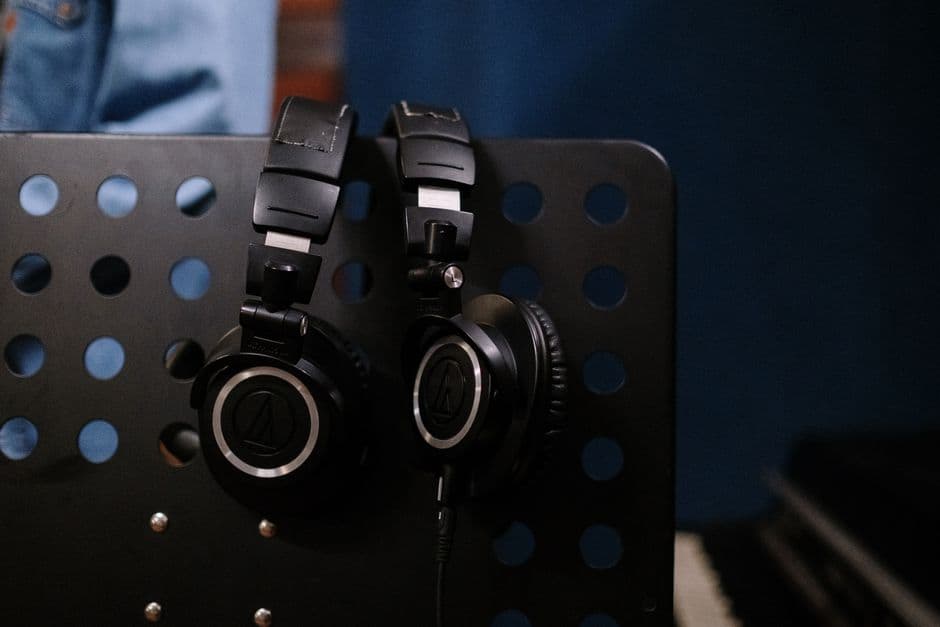
Headphones and Monitors: You need accurate monitoring to make good mixing decisions. Flat-response studio headphones and nearfield monitors are essential. Your $20 earbuds won't cut it.
Cables and Stands: Quality cables reduce noise. Decent mic stands and pop filters protect your equipment and improve recordings.
DAW: Pro Tools is the industry standard in professional studios, but Logic Pro, Ableton Live, and Reaper are excellent alternatives that cost way less (or nothing, in Reaper's case).
Plugins: Digital EQs, compressors, reverbs, and delays are the bread and butter of mixing. You don't need every plugin ever made. Focus on learning a few tools really well.
Buying used equipment is smart when you're starting out. Whether you're hunting for secondhand preamps, condensers, or studio monitors, you can find solid gear at reasonable prices. When you're ready to upgrade or specialize, platforms like OohYeah let you sell your old equipment directly to other musicians and engineers without losing money to marketplace commissions.
The Future of Audio Engineering
Mix engineering is becoming more specialized and respected as a full-time career. That's a good sign for the field. Studios are recognizing that a skilled mix engineer can make or break a project, and they're willing to invest.
Remote collaboration tools have also changed the game. Engineers can now work with musicians and artists globally. You don't have to be in Nashville, Los Angeles, or New York to build a successful career.
AI and machine learning are entering the space, but they're not replacing engineers. Instead, they're becoming tools that handle repetitive tasks and help engineers work faster. The human ear, creativity, and decision-making are still irreplaceable.
One debate that remains central to the field is analogue vs. digital audio. Purists argue that analog tape recordings capture something digital can't. Digital advocates point to flexibility, cost, and the ability to record in any environment. Most modern engineers use both, depending on the project and the client's needs.
Building Your Audio Engineering Business

If you want to turn audio engineering into a sustainable business, you need to think beyond technical skills. You need to market yourself, manage projects, and build client relationships.
Starting local is smart. Record local bands, podcasters, and content creators. Build a portfolio of work. Ask satisfied clients for referrals and testimonials. Keep your rates reasonable until you have a solid portfolio and track record.
Develop a specialty. Maybe you become known for recording acoustic music, or you specialize in mix engineering for hip-hop, or you're the live sound person every local venue calls. Specialists charge more and get more referrals than generalists.
If you're selling recording equipment or upgrading your gear, remember that OohYeah is built for musicians and audio professionals. Sell your used gear commission-free and keep what you earn. Buy from other engineers and studios doing the same.
Audio Engineering FAQs
Do I need a college degree to become an audio engineer?
No. Many professional audio engineers learned through hands-on experience, apprenticeships, and online courses. A degree can help you network and get your first job faster, but it's not required. What matters is your portfolio of work, your technical knowledge, and your ear.
How much money can you make as an audio engineer?
It varies widely. Entry-level recording engineers might charge $25-75 per hour. Experienced mix engineers working with professional artists charge $500-5,000+ per song. Live sound engineers for tours and festivals earn $150-400+ per day depending on the gig. Building a solid client base takes time, but the income potential is real.
What's the difference between an audio engineer and a music producer?
Audio engineers focus on the technical side: recording, mixing, and mastering sound. Music producers focus on the creative direction of a project: choosing songs, working with arrangements, giving feedback on performances, and shaping the overall sound. Some people do both, but they're different skill sets.
Can you learn audio engineering online?
Absolutely. There are excellent online courses, YouTube channels, and communities dedicated to audio engineering. The key is practice. Take courses, then apply what you learn by recording real musicians. Theory without practice won't develop your ear or your skills.