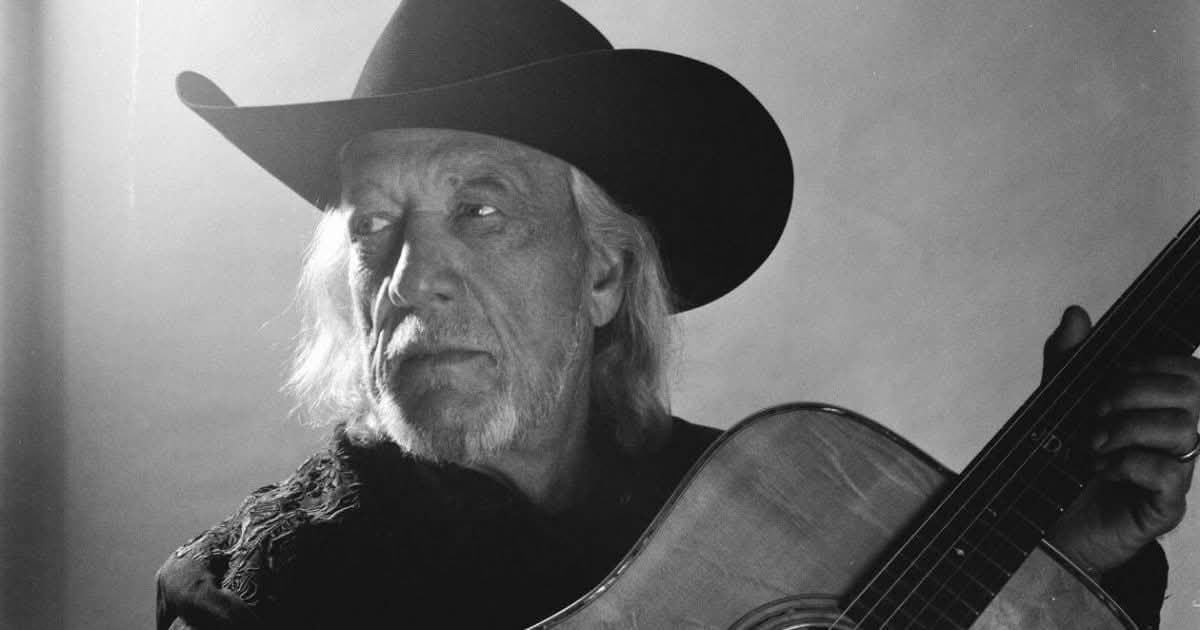
Aaron Hall: The Legacy and Future of the New Jack Swing Icon
Explore the legacy of Aaron Hall, the voice of New Jack Swing. Learn how streaming fails R&B legends & discover new ways to support artists directly.
July 1, 2026
Music Business Insider
Music BusinessWhat if the voice that defined the 90s R&B sound earns less than a penny for the hits that shaped your life? Aaron Hall didn't just sing songs; he engineered a vocal revolution that still echoes through every modern track. You probably remember the raw energy of Guy and the smooth power of his solo career. It's frustrating to see such a massive legacy buried under low streaming payouts and fragmented history. You want a way to honor that impact without a corporate middleman taking the lion's share.
We're here to bridge that gap. This article delivers the definitive history of Aaron Hall’s influence on R&B and explores how modern platforms are reshaping how fans support legacy artists in 2026. You'll get a complete view of his solo and group milestones. We'll also show you how to support the artist more effectively through direct access to exclusive content and digital downloads. It's time to move beyond the play button and start empowering the creators who built the culture.
Key Takeaways
- Trace the evolution of aaron hall from the groundbreaking frontman of Guy to a solo powerhouse who defined the New Jack Swing era.
- Understand the specific vocal techniques and the "Nasty Man" persona that brought raw, church-inflected soul and unapologetic energy to the mainstream.
- Learn why major streaming platforms fail legacy artists in 2026 and how the "fractions of a penny" model creates financial barriers for your favorite creators.
- Discover how direct-to-fan marketplaces empower you to support legends through digital music downloads, merchandise, and exclusive content access.
- Gain a complete view of how to preserve R&B history while ensuring the architects of the sound receive the fair compensation they deserve.
Who is Aaron Hall? The Architect of New Jack Swing
Aaron Hall arrived on the music scene like a lightning bolt. Born and raised in Brooklyn, he carried the borough's raw energy into every recording booth. He became the voice that bridged the gap between the polished soul of the past and the aggressive rhythms of the future. Alongside legendary producer Teddy Riley, Hall served as the primary architect of a sound that would dominate the airwaves for nearly a decade. If you want to understand the foundation of modern urban music, look no further than Aaron Hall's biography and his massive contribution to the culture. His Brooklyn roots gave him a "street-but-sweet" delivery that felt authentic to the block yet polished enough for top-tier radio.
The Genesis of a Vocal Powerhouse
Hall's talent didn't appear by accident. His vocal foundation was built in the church, where he mastered the art of the gospel run and the emotional ad-lib. This upbringing gave him a unique baritone-to-tenor range that drew frequent, well-deserved comparisons to legends like Charlie Wilson of the Gap Band. He possessed a rare ability to sound vulnerable and dominant at the same time. This duality made him the "missing link" the industry needed. He could deliver a traditional soul melody but place it perfectly over a heavy hip-hop breakbeat without losing an ounce of credibility. He wasn't just a singer; he was a vocal technician who knew exactly how to manipulate tone to evoke specific feelings in his listeners.
Defining the New Jack Swing Era
New Jack Swing was more than just a genre; it was a cultural explosion. It fused R&B melodies with funk grooves and hip-hop’s rhythmic intensity. This sound changed how people dressed, how they danced, and how they lived. It created a lifestyle that celebrated urban excellence and innovation. Key elements of this movement included:
- Heavy hip-hop breakbeats that drove the dance floor.
- Synthesized funk basslines that added a modern edge to soul.
- Fast-paced, syncopated rhythms that defined early 90s production.
- Bold fashion choices, from high-top fades to colorful windbreakers.
While Riley provided the technical blueprint, aaron hall provided the soul. His voice offered the essential grit and texture that allowed this new, synthetic genre to feel deeply human and relatable to the streets. He wasn't just singing over beats; he was commanding them. This period with the group Guy solidified his status as a pioneer. It proved that a singer could be both a romantic lead and a street icon. Hall’s voice provided the grit necessary for this new genre to succeed by grounding high-energy production with raw, church-honed emotion. This success set the stage for his transition into a solo superstar, ready to prove he could carry an entire movement on his own.
From Guy to Solo Success: A Career Defined by Soul
The group Guy changed the trajectory of urban music forever. While Teddy Riley provided the innovative production, aaron hall brought the vocal fire that made the records undeniable. Their self-titled debut album in 1988 didn't just sell copies; it shifted the culture. It proved that R&B could be aggressive, rhythmic, and soulful all at once. As a New Jack Swing originator, Hall used this platform to showcase a voice that was too big for a single group. His transition to solo stardom was inevitable. He possessed the rare ability to command a high-energy club anthem and then immediately pivot to a heart-wrenching ballad.
The Guy Years: Redefining the Boy Band
The chemistry between Aaron Hall, his brother Damion Hall, and Teddy Riley was electric. They moved away from the choreographed, polished image of previous R&B acts. Instead, they embraced a gritty, street-oriented aesthetic that resonated with a new generation. Hits like "Groove Me," "Teddy’s Jam," and "I Like" became foundational tracks for the genre. These songs weren't just hits; they were blueprints. Guy paved the way for future groups like Jodeci and Blackstreet by proving that vocalists could be both tough and tender. They broke the traditional "boy band" mold and replaced it with something far more authentic and influential.
The Solo Breakthrough: Proving "The Truth"
In 1993, Hall stepped out on his own with his solo debut, The Truth. The album was a massive critical and commercial success. It allowed him to explore themes of vulnerability and raw honesty that were sometimes masked by the high-tempo production of his group work. The standout track, "I Miss You," became a defining 90s ballad. It peaked at number two on the Billboard R&B charts and showcased his incredible emotional range. Hall also became a staple on major movie soundtracks. His contribution to the Dangerous Minds soundtrack with the song "Curiosity" further solidified his solo superstar status. He proved he didn't need a group to dominate the charts.
Today, fans still crave that authentic 90s soul. While streaming services offer easy access, they often fail to provide the deep connection and fair compensation these legends deserve. You can bypass those barriers by seeking out exclusive digital music downloads that support artists directly. Supporting legacy artists ensures their history remains preserved and their future remains independent. Aaron hall built a career on soul and independence; modern platforms now give you the power to help him maintain it.
The "Nasty Man" Persona and the Signature R&B Sound
Aaron Hall never sought permission to be himself. He cultivated an image that was raw, provocative, and entirely distinct from the polished pop stars of the late 80s. This gave birth to the "Nasty Man" moniker. It wasn't just a marketing gimmick. It represented a fundamental shift in R&B masculinity. Hall embraced a bold, unapologetic stage presence that felt dangerous and exciting. He spoke to the streets while singing to the soul. This duality defined his career. He could transition from a gritty club track to a deeply spiritual ad-lib without missing a beat. His music lived in the tension between the sacred and the profane.
Vocal Style: The Growl and the Grace
Hall’s vocal technique broke the mold. Most singers of his era aimed for a smooth, frictionless tone. Hall chose the opposite. He utilized a signature "vocal grit" that added weight and texture to every syllable. These weren't just growls; they were emotional punctuations. He mastered the church-inflected runs and ad-libs that later became the standard for modern R&B. You can hear his direct influence in the vocal gymnastics of artists like Usher and Chris Brown. They didn't just inherit his style; they studied his ability to use "call and response" to control an audience. Aaron Hall didn’t just sing notes; he emoted the very fabric of New Jack Swing through a gospel-trained lens. This approach ensured that even his most provocative songs carried a sense of spiritual authority.
Cultural Iconography: The Nasty Man Explained
The "Nasty Man" persona pushed boundaries. It challenged the traditional visual aesthetic of music videos and live performances. Hall often appeared as one of the most prominent Faces of the New Jack Swing Era, leading with a disruptor mindset that prioritized authenticity over industry approval. He wore the leather, the boots, and the attitude of a man who knew his worth. This confidence is exactly what modern independent artists strive for today. They want to own their narrative and connect directly with their audience without a corporate filter. Hall’s bold personality proved that you don't have to fit a specific mold to achieve massive success. You just have to be real. By blending street-level toughness with high-level musicianship, he created a blueprint for the modern R&B icon. His legacy isn't just about the hits; it's about the courage to be loud, proud, and completely original.

The Economics of Legacy R&B in the 2026 Streaming Era
Don't be fooled by the massive play counts on your favorite R&B playlists. While the music of aaron hall continues to soundtrack lives across the globe, the financial reality behind those streams is staggering. In 2026, streaming accounts for approximately 84% of all music industry revenue. However, the actual payout to the creator is often a fraction of a penny per play. For legacy artists who built their careers in the 80s and 90s, this system is particularly punishing. Major labels and massive tech platforms sit as middlemen, swallowing the lion's share of earnings before the artist sees a dime. This "middleman problem" creates a massive barrier between the fan's support and the artist's financial health.
Legacy artists are often the hardest hit by these commission-heavy models. Many are tied to older contracts that never anticipated the streaming revolution. This means even when you play a classic hit, the person who sang it might only receive a microscopic portion of the revenue. It's a system designed for the platform, not the pioneer. We believe in a different path. One that prioritizes fairness and direct connection over corporate gatekeeping.
The Streaming Trap for 90s Icons
The math of modern streaming simply doesn't add up for veteran creators. It takes thousands of streams to earn a single dollar of profit. This creates a "streaming trap" where passive listening fails to fund new creative projects or maintain a legacy. There is also a glaring lack of transparency in how these payouts are calculated and distributed. Fans believe they are supporting their icons by hitting play, but the reality is that most of that money stays with the distributor. Passive listening might keep the music alive, but it doesn't keep the artist independent. Veteran creators need more than just "exposure" to survive in a digital economy; they need equitable pay for their work.
Why Commissions Kill Creativity
Commissions are the silent killer of artistic independence. When an artist has an established, loyal fanbase, they shouldn't have to pay a 30% "tax" to a platform just to sell a song. Retaining 100% of sales revenue is the only way to ensure long-term prosperity. This is why a commission-free music distribution model is the essential antidote to the current industry norm. It removes the unnecessary barriers and puts the power back where it belongs. By choosing platforms that value equity, you ensure that legends like aaron hall can continue to thrive on their own terms. It's time to cut out the middlemen and start rewarding the people who actually create the culture. You can make a real difference by choosing to support your favorite artists directly today.
Supporting R&B Legends Directly: Beyond the Playlists
Passive listening is no longer enough to sustain the culture. We're witnessing a pivotal shift where direct-to-fan marketplaces define the future of R&B preservation. Traditional streaming apps prioritize their own ecosystems, often leaving the architects of the sound behind. By choosing a different path, you ensure the legacy of aaron hall continues to thrive without corporate interference. This movement isn't just about enjoying music. It's about liberation for the creators who built the foundation of modern soul. Direct platforms allow you to access exclusive content and downloads that major apps simply ignore.
The value of a commission-free experience cannot be overstated. When you remove the middleman, the relationship between the artist and the fan becomes pure. You get closer to the music, and the artist gets the resources they need to keep creating. This is how we protect the history of New Jack Swing. It's how we ensure the next generation understands the raw power of the "Nasty Man" era. OohYeah! empowers artists to reclaim their independence and keep every cent of their hard-earned profit. We're building a modern alternative to restrictive industry norms.
The Power of the Artist Profile
A centralized hub is a game-changer for veteran creators. Through artist profile hosting, legends can manage their music, merchandise, and news from a single, independent location. This provides fans with a reliable destination to find "Digital Music Downloads" that offer high-quality, permanent files. Unlike streaming, these are files you actually own. You aren't just paying for access; you're investing in a permanent collection. Exclusive content access further strengthens this bond. It allows aaron hall to share rare tracks, behind-the-scenes stories, and unique experiences directly with his most dedicated supporters. This direct connection turns a simple purchase into an act of advocacy and mutual success.
Taking Action: How to Be a True Fan in 2026
Being a true fan in 2026 requires a conscious choice. Look for "commission-free" badges whenever you buy music or merchandise. These badges represent a commitment to fairness and creator equity. Consider the math: buying one digital album provides more financial support than streaming a song 1,000 times. It’s an immediate, high-impact way to show your appreciation. By bypassing the traditional gatekeepers, you help artists maintain their creative freedom. You become a partner in their success rather than just a number in a database. It's time to reward the pioneers who gave us the soundtrack to our lives. Support your favorite artists directly and keep the music alive on OohYeah!
Reclaiming the Rhythm: The Future of R&B Independence
Aaron hall didn't just create hits; he built a sonic empire that still influences every R&B track you hear today. His journey from the raw energy of Guy to a solo superstar proved that authenticity always wins. However, the industry that his voice helped build now relies on a streaming model that treats legends like an afterthought. You have the power to change this narrative. By moving beyond passive listening, you protect the history and the future of soul music.
Direct support is the only way to ensure legacy artists thrive in the modern era. When you choose direct-to-fan downloads and merchandise, you bypass the corporate middlemen who swallow the majority of an artist's earnings. You ensure that the architects of the sound receive the fair compensation they've earned through decades of innovation. It's time to take control of how you support the creators you love.
Join the movement and support artists with 100% commission-free sales on OohYeah! Our commission-free music marketplace ensures that artists keep 100% of sales revenue from every digital download and merchandise item. Let's build a fairer ecosystem together and keep the music alive.
Frequently Asked Questions
Is Aaron Hall still performing in 2026?
Aaron Hall does not have any scheduled performances or tours for 2026. He has maintained a low public profile recently. While legal headlines surfaced early in the year regarding a process server designation, there's no indication of a return to the stage at this time. Fans should stay tuned to independent artist profiles for any future updates on his career status.
What was Aaron Hall’s biggest solo hit?
"I Miss You" remains the most successful solo record for aaron hall. Released in 1993 on his debut album The Truth, the ballad peaked at number two on the Billboard R&B charts. It solidified his status as a premiere soloist capable of delivering emotional depth alongside his high-energy New Jack Swing roots. It continues to be a staple on R&B radio today.
Why did the group Guy break up?
The group Guy initially disbanded due to internal friction and management conflicts common in the high-pressure music industry of the early 90s. While the trio of Aaron Hall, Damion Hall, and Teddy Riley defined an era, these traditional industry pressures eventually led to their separation. They've reunited for various projects over the years, but no 2026 reunion tour is currently planned.
How much does an artist like Aaron Hall make per stream?
Most legacy artists earn only a small fraction of a penny for every stream played on major platforms. Because older contracts often favor labels and distributors, the actual payout to the creator is often even lower. This reality makes it nearly impossible for veteran stars to fund new creative endeavors or maintain their legacy through streaming royalties alone in 2026.
Where can I buy Aaron Hall’s music without the platform taking a cut?
You can purchase music through commission-free marketplaces like OohYeah! to ensure the artist receives the full value of your support. Unlike traditional apps that take a massive percentage of every sale, these platforms allow creators to keep 100% of their revenue. It's the most effective way to put your money directly into the hands of the pioneers you admire most.
What is the "New Jack Swing" style that Aaron Hall pioneered?
New Jack Swing is a high-energy fusion of R&B melodies, funk grooves, and hip-hop rhythmic patterns. aaron hall provided the essential vocal grit that bridged these genres, making the sound feel both soulful and street-oriented. This movement dominated the late 80s and early 90s, influencing everything from urban fashion to the structure of modern pop and hip-hop production.
How does OohYeah! help legacy R&B artists?
OohYeah! empowers legacy creators by providing a commission-free platform for artist profile hosting and digital music downloads. Artists keep 100% of their sales revenue from music and merchandise. This direct-to-fan model removes traditional industry barriers and ensures that the people who built the culture are the ones who profit from it, rather than corporate middlemen or tech giants.
Can I find exclusive Aaron Hall content on direct-to-fan platforms?
Direct-to-fan platforms are the primary hubs for exclusive content access that you won't find on major streaming apps. These profiles often feature rare tracks, behind-the-scenes updates, and direct communication from the artist. Choosing these independent channels allows you to build a deeper connection with the creator while supporting their financial independence and providing them with a sustainable way to share new work.