Selling Remastered Catalog Tracks Direct to Fans for More Revenue
Learn how selling remastered catalog tracks direct to fans can maximize your revenue. Discover proven strategies to prep, price, and sell your back catalog.

October 23, 2026
FRANKLY with Frank Lee
A remastered catalog can earn more when fans have a direct way to buy it. For artists selling remastered catalog tracks direct to fans, a direct-sales setup can let them retain 100% of sales revenue from music and merchandise. The key is pairing the refreshed recordings with a clear offer fans can access and support.
It makes sense to look beyond streaming when older tracks still matter to your audience. A remaster can give familiar music renewed appeal, but the release alone does not guarantee more income. The sales channel, the value you offer fans, and how you bring your community to the release all shape the opportunity.
This article explains how direct-to-fan sales work for remastered catalog music, what to consider when preparing tracks and setting up an offer, and how downloads and exclusive content can deepen your connection with listeners. You’ll also learn where a direct marketplace fits, how to assess revenue without relying on assumptions, and how to make your back catalog easier for fans to support. The goal is a practical plan centered on your music and your relationship with listeners.
Key Takeaways
- Compare each sales channel’s share and payment-processing deductions so you can understand what reaches you from every purchase.
- Make each remaster feel purposeful: choose tracks with a clear reason to return and communicate what’s distinct about the new release.
- Build a direct connection with listeners by giving fans a simple way to find your music and support your work.
- Offer previews that help fans hear the difference, then make the purchase path clear and easy to follow.
- Prepare sale masters and pricing with the listening experience, the value of the release, and your direct-sales goals in mind.
Artist revenue share and payment processing
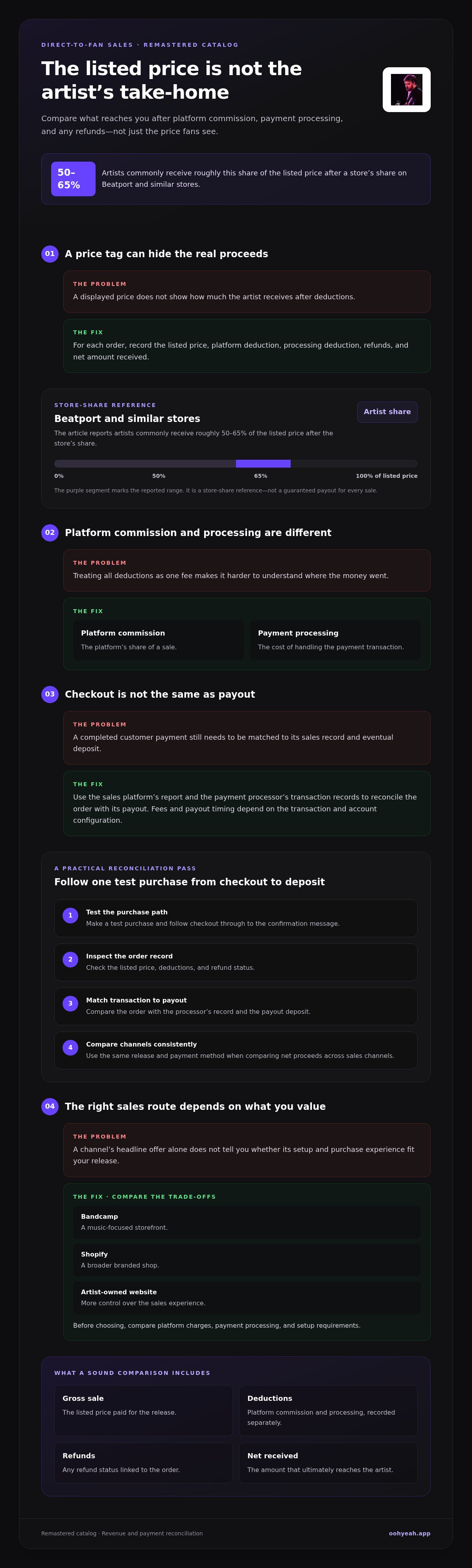
Start with the amount that reaches the artist, not the track’s displayed price. Artists commonly receive roughly 50-65% of the listed price after a store’s share on Beatport and similar stores. That share can make a direct-sales route worth evaluating, especially when you already have listeners ready to buy.
Bandcamp offers a music-focused storefront, while Shopify lets an artist build a broader branded shop. An artist-owned website offers control over the sales experience. Before choosing, compare platform charges, payment processing, and setup requirements. The right fit depends on whether you prioritize a music-focused purchase path, a customizable shop, or greater control of your site.
Separate platform commission from payment processing. A commission is the platform’s share of a sale; processing covers the payment transaction. They affect proceeds differently. For each order, record the listed price, any platform deduction, processing deduction, refunds, and the net amount received. This gives you a consistent basis for comparing channels and distinguishes gross sales from earnings.
Stripe is one payment processor artists may encounter at online checkout. The customer pays at checkout, the processor handles the transaction, and funds become available for payout according to the account settings and payment status. Fees and payout timing depend on the transaction and account configuration. Review Stripe’s transaction records alongside the sales platform’s report to reconcile each order with its eventual deposit.
Use a simple review process before launching a remastered release:
- Make a test purchase and follow the checkout through the confirmation message.
- Check the order record for the listed price, deductions, and refund status.
- Match the transaction to the processor’s record and the payout deposit.
- Compare the net proceeds across sales channels using the same release and payment method.
For example, if a fan buys a remastered album through your website, trace the order from checkout to payout. Record any platform share separately from the payment-processing deduction, then compare the result with a purchase through a music storefront. This practical comparison helps you assess selling remastered catalog tracks direct to fans without relying on headline revenue alone. It can also reveal unclear deductions, help reconcile sales records, and show which channel suits your audience and release plan.
Catalog remastering and re-releases
A remaster can give listeners a fresh reason to revisit older recordings. Before selling it, identify what changed and which rights cover the release. A clearer master, revised sequencing, or new artwork can distinguish the edition. Describe only changes listeners can actually hear or see.
Before making a sale, establish control of the master recording and permission to use the underlying composition. The master is the recorded performance; the composition covers the song itself. Review contracts, ownership records, and prior agreements to identify who controls each right. If a label, publisher, or collaborator holds rights, their terms shape what you can sell.
Do remastered tracks require new licenses for samples, covers, or collaborators? It depends on the original permissions and how the new release will be used. Review sample clearances, cover-song arrangements, and collaborator agreements for limits on formats, territories, or sales channels. A new edit or added sample may require separate permission.
Start with a track-by-track rights check. Match each recording to its writers, performers, producers, samples, and existing agreements. For example, a remaster using the same recording and arrangement may involve different permissions from a new version with an added guest verse. Keep written records of relevant approvals with the release files.
What copyright and master recording rights are needed to sell remastered catalog tracks? You need authority to sell or license the master recording and the necessary rights to the underlying composition. Before listing the release, confirm how those rights are divided among the artist, label, publisher, writers, and other rights holders.
Streaming can continue alongside a direct sale, but make the editions easy to tell apart. Use distinct artwork, edition descriptions, and track details if the remaster differs from the streaming version. This helps fans understand what they’re buying and avoids confusion over duplicate titles or mismatched audio.
What are the risks of selling remasters while the original tracks are on streaming services? Fans may confuse the versions, and existing contracts may limit where or how a recording can be sold. Check the release terms and label the remaster accurately, especially if streaming services carry the original mix.
Catalog sales show why ownership and documentation matter. Those deals don’t determine an individual artist’s rights, but they highlight the importance of knowing exactly which masters and compositions you control.
Before launch, save the final audio, artwork, track credits, and permissions together. Then write a short release note naming the remaster’s differences. A dedicated space for remaster details can help fans distinguish the new edition from earlier versions.
Direct-to-fan audience ownership
A direct relationship gives artists a clearer view of who chooses to buy their music. A survey found that 28% of artists already sell downloads or want to sell them. That interest points to a practical opportunity: invite listeners who value a remaster to support it through a direct purchase. The artist described in one account earned money from 24 fans this weekend. A small group of buyers can still show which releases resonate.
Streaming services can help listeners discover a track, while a direct channel gives you more control over the purchase experience. Use your artist name, release artwork, and a concise description to make the offer recognizable. A fan who finds an older song through streaming should be able to identify the remastered edition without guessing which version is for sale.
What U.S. sales tax rules apply to digital music sold directly to fans? Rules vary by state, and taxability can depend on the buyer’s location, your obligations there, and how the sale is processed. Keep records organized by transaction and location so you can apply the relevant requirements to your sales channel.
Audience ownership isn’t simply collecting email addresses. It means creating a permission-based way to stay in touch and making each message useful. Share a release note, explain briefly what changed in the remaster, or preview another catalog track. If a fan buys one edition, a relevant follow-up can introduce a related release without overwhelming their inbox.
Build a simple path from discovery to repeat support:
- Give each remastered release a clear title and distinct artwork.
- Direct interested listeners to one consistent artist page or sales destination.
- Ask fans to opt in before sending release updates.
- Track which messages and releases lead to purchases.
For example, share a remaster announcement with a preview, then follow up with the recording’s history. This gives fans context before they decide whether to buy. Keep the message focused on the music, not pressure. When listeners understand why the new edition matters, they have a clearer reason to return for another catalog release.
Use each sale to learn rather than assume every fan wants the same thing. Compare interest in different tracks, messages, and release formats over time. If listeners respond repeatedly to a particular era or recording, feature related catalog material in future updates. A steady, respectful connection can turn a one-time purchase into an ongoing relationship with the people who support your work.
Fan previews and purchase methods
Give fans a clear way to hear the remaster before buying. A preview can highlight a changed vocal, clearer instrument, or alternate mix. Keep it representative of the finished release: a preview that sounds unlike the purchased file can undermine trust. Pair the audio with a short note explaining what listeners should notice.
What platforms let artists sell remastered catalog tracks directly to fans? Bandcamp provides a music-centered sales destination, Shopify supports a customizable online shop, and an artist-owned website can host a purchase path. Compare how each presents audio, handles checkout, and fits your existing audience before choosing.
How do artists set up a direct-to-fan music store in the United States? Choose a storefront, create a release page, upload the sale files, and connect checkout and delivery. Add your artist name, track listing, cover art, format details, and a clear purchase button. Then test the full path as a fan, from preview to confirmation.
Make the page answer listeners’ questions before purchase. State whether the release is an album or single, identify the remaster, and explain how it differs from the version they may know. If the package includes bonus material, list it plainly. Name a live recording or alternate mix rather than promising vague extras.
Give previews enough context to make listening useful. A short excerpt can showcase the changed sound; a track-by-track note can explain choices that aren’t obvious in a brief clip. Keep preview volume consistent across tracks. Use accurate titles and artwork so fans can distinguish the remaster from the original streaming release.
How should artists market remastered catalog releases to existing fans? Start with listeners who feel most connected to that era, then share a preview and explain specifically what changed. Use an artist newsletter or social post to tell the release story and link directly to its purchase page.
Build a simple campaign around the music itself:
- Choose one track that best demonstrates the remaster.
- Share a short preview with a clear release description.
- Explain the recording detail or artistic decision behind the new version.
- Direct fans to the same purchase page in each announcement.
For instance, a guitarist could preview a remastered song and explain how the guitar tone was refined. That gives longtime listeners something specific to hear. Follow with another track preview or a release note instead of repeating the same announcement. Keep each message focused and make the next step clear.
Finally, check the customer experience on a phone and computer. Confirm that previews play, artwork displays clearly, and the purchase button leads to the correct release. Test the confirmation message and download delivery. A smooth purchase path helps fans move from curiosity to checkout without searching for missing details.
Pricing and preparing sale masters
Set a price by weighing the release’s contents, audience interest, and sales format. A remastered single offers a different experience from a full album with detailed notes or bonus recordings. Compare the value of each edition and explain what buyers receive before checkout. Don’t set a price solely by matching another artist’s release; your catalog, audience, and offer shape the decision.
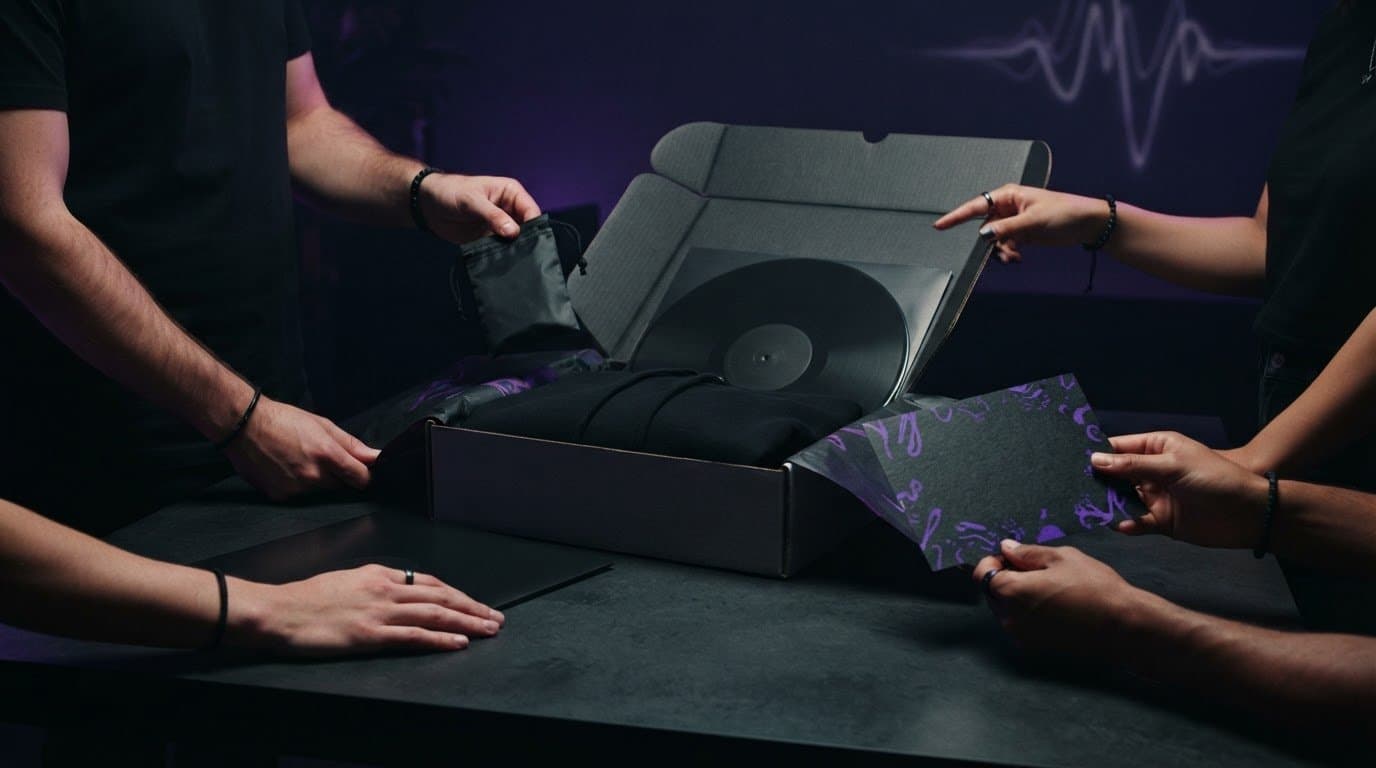
How can artists package remastered tracks with bonus content, artwork, or merchandise? Present the music as the core offer, then describe each extra clearly. For example, pair an album download with new artwork, a recording note, or a related shirt. If you post acoustic sessions or track playthroughs on YouTube, creating guitar chord sheets with akordify.io can serve as an appealing digital extra for fans who play music. List everything included so fans can judge the package without guessing.
Keep release options simple. A standard digital edition can serve listeners who want the music, while a separate version can include additional material. Use clear labels such as “remastered album” and “album with bonus tracks.” If you include merchandise, state its design and connection to the release. OohYeah!’s Merchandise Marketplace brings music and related items together for fans.
Prepare the sale master as a distinct, final deliverable. Listen from beginning to end on headphones and speakers. Check for abrupt edits, unwanted noise, clipped endings, and inconsistent track order. Compare the master with the intended remaster, not just the original streaming version. Use descriptive filenames that match the release page and track listing.
Before publishing, organize the release materials in one folder:
- Final audio files with matching track titles.
- Cover artwork that clearly identifies the remastered edition.
- Track credits and a concise description of the changes.
- Bonus recordings, notes, or other promised digital extras.
- A separate list of any merchandise included in the offer.
Test the complete purchase path as a buyer. Confirm that the page describes the correct edition, the preview matches the release, and the delivered files open properly. If the offer promises an alternate mix, for example, verify that the download contains it. A mismatch between the description and delivery can create avoidable confusion.
Use an edition comparison to make the value clear. Describe what the standard release includes, then name the added material in the expanded version. Avoid vague phrases like “special extras” when you can identify the content. Clear details help fans choose what matters to them.
Bring the release and related merchandise together with a music-and-merchandise storefront that gives fans a clear way to explore the offer.
Catalog scale can shape how a remastered release is framed: the Create Music Group acquisition of deadmau5's catalog included master recordings and publishing rights for more than 4,000 songs. When preparing an edition, distinguish the recordings being offered from the publishing rights connected to the catalog.
OohYeah!: Artist Profile Hosting
OohYeah! gives artists a place to present their catalog through Artist Profile Hosting. Fans can discover Digital Music Downloads, browse merchandise, and access exclusive content from an artist’s profile. For remastered releases, this brings the music, edition details, and related extras together in one place.
Artists can retain 100% of sales revenue from music and merchandise. This setup suits musicians who want to make catalog tracks available directly and give supporters a clear way to purchase. Exclusive Content Access can also help artists share material beyond the remastered audio, while the Merchandise Marketplace supports related products.
Visit oohyeah.app to explore a direct-to-fan home for your music.
Put Your Catalog’s Next Chapter in Motion
Your next release can do more than revisit familiar music. Treat it as a fresh point of connection with listeners. Choose a remaster, decide what makes the edition worth hearing, and invite fans to buy it directly. Selling remastered catalog tracks direct to fans works best when every part of the release feels intentional, from its presentation to the story behind the sound.
OohYeah! supports that next step with Artist Profile Hosting, Digital Music Downloads, and a Merchandise Marketplace. Use an artist profile to help fans discover your work, then bring your music and related merchandise together around the release. This gives your catalog a place to connect with the people who want to support it.
Build your next release around the connection you want with your audience. Explore OohYeah! for your direct-to-fan music release and take the next step on your terms.
Frequently Asked Questions
What are the best formats for selling remastered tracks, such as WAV, FLAC, and MP3?
WAV and FLAC suit listeners who want lossless audio, while MP3 offers smaller files and broad device compatibility. WAV files are uncompressed, so they take more storage; FLAC compresses audio without discarding sound data. MP3 reduces file size by removing some audio information. For example, offer FLAC as the main high-quality download and MP3 as an accessible alternative. Name each format clearly before checkout.
What prices do independent artists charge for remastered singles, albums, and bundles?
There’s no single standard price. Artists set prices according to the release, audience, and included material. A remastered single, full album, and bundle offer different value, so describe what each includes before setting the price. For example, position an album bundle with bonus recordings or artwork differently from a single track. Compare your offers by format and contents, then make the differences clear to fans.
What fees and revenue shares do direct-to-fan music platforms charge?
Fees depend on the platform’s business model and payment setup. Some stores deduct a share from each sale; artists commonly receive roughly 50-65% of listed prices after the store’s share on Beatport and similar stores. OohYeah! lets artists retain 100% of music and merchandise sales revenue, with recurring artist subscription fees for platform access. Review platform charges separately from payment-processing deductions to understand your net proceeds.
What U.S. sales tax rules apply to digital music sold directly to fans?
Rules vary by state. Taxability can depend on the buyer’s location, your obligations there, and how the sale is processed. Keep transaction and location records organized.