Eco-Friendly Band Merchandise for Fans Worldwide
Master selling eco friendly band merchandise direct to fans worldwide. Learn how print-on-demand, pre-orders, and green packaging cut waste and grow revenue.
October 22, 2026
FRANKLY with Frank Lee
Your merch can travel farther than your tour. Selling eco-friendly band merchandise directly to fans worldwide is possible, and pre-orders, made-to-order production, and print-on-demand can help align production with actual orders. Thoughtful packaging and production closer to buyers can also reduce shipping impacts.
Fans value merchandise that feels connected to the music and worth keeping. For artists, it can provide supplementary income and deepen that connection without requiring a large upfront stock for every release.
Learn how to choose materials and production methods, manage inventory risk, and plan for international orders. You’ll also see how direct-to-fan merchandise can support your music career while giving fans worldwide a meaningful way to show their support.
Key Takeaways
- Use pre-orders or made-to-order production to align merchandise quantities with fan demand and reduce the need for excess stock.
- Compare materials such as organic cotton and recycled polyester, and look for certifications like GOTS or Fair Wear when assessing sourcing.
- For online sales, print-on-demand can make items as fans order them; consider bulk production for in-person events where demand is more predictable.
- Plan packaging and fulfillment with international fans in mind, including recycled or compostable packaging and production closer to buyers where possible.
- Create durable designs with a meaningful connection to your music so merchandise can support income and strengthen fan relationships.
Pre-orders and made-to-order production
For US clothing sales, state fiber content and country of origin accurately, and include required care and business identification details. Describe organic or recycled content precisely. Don’t imply the whole garment qualifies when only part does. For example, identify a shirt as containing recycled polyester only when that accurately reflects its materials.
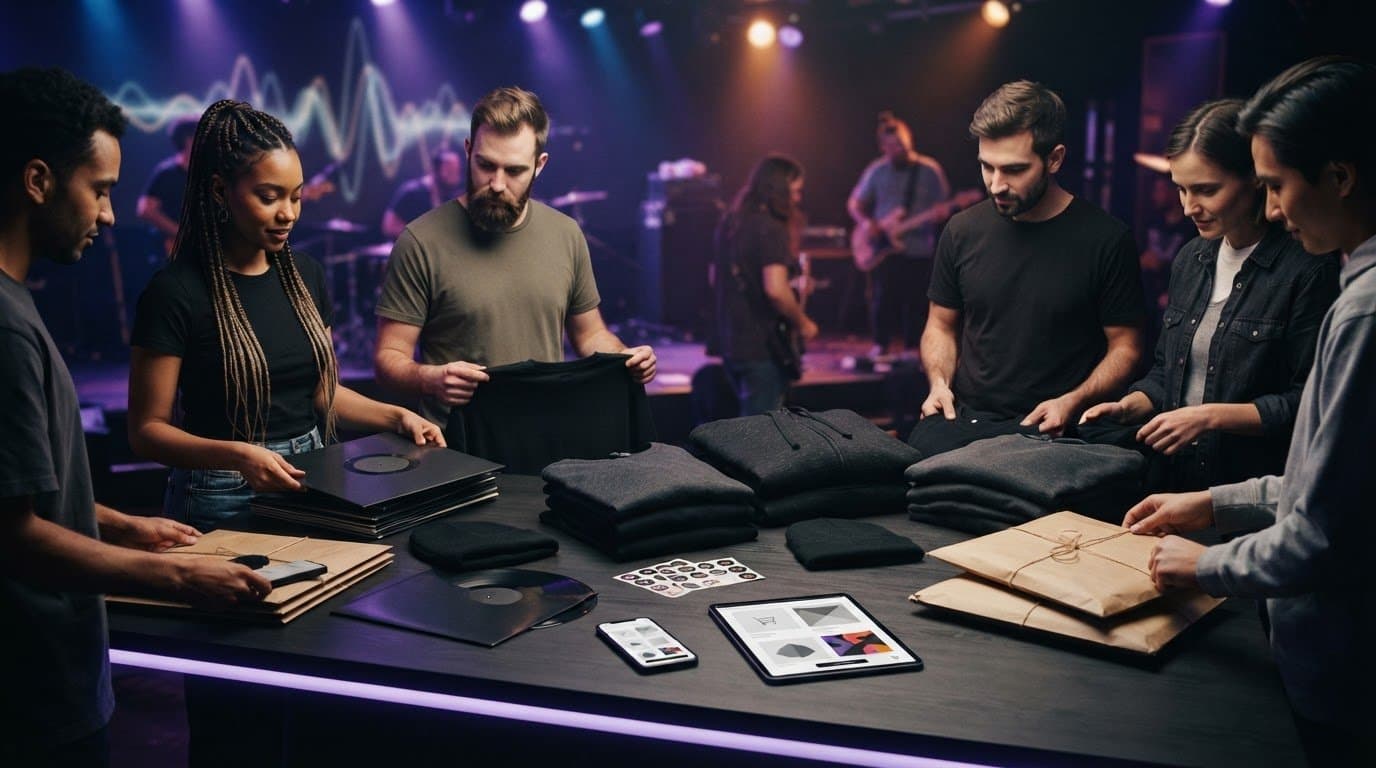
Pre-orders let fans choose designs before production begins. After the campaign ends, produce merchandise according to the orders received. This gives a band a clearer demand signal than guessing sizes and quantities in advance. Made-to-order production works similarly: create an item after a customer orders it. Both approaches can reduce leftover apparel, though production still requires materials, labour, and shipping.
Plan the campaign around the artwork approval date. Most band merchandise orders are completed within a few weeks after artwork approval. Tell fans when ordering opens, when it closes, and what happens next. Keep the timeline clear, especially if the design needs changes before production. A clear sequence helps supporters understand why an advance order differs from an item ready to ship.
Choose merchandise for the audience, not just the trend. T-shirts and hoodies are consistently the most popular band merchandise products, followed by embroidered caps, beanies, tote bags, and water bottles. Match the item to how fans engage with the band. A tour-focused design might work on a shirt, while a reusable tote can suit fans who want an everyday item.
Materials shape the environmental case for each product. Organic cotton and recycled polyester are examples used in eco-friendly band merchandise. When assessing suppliers, ask about material certifications such as GOTS or Fair Wear. These provide a concrete starting point for discussing material claims and production practices. Ethical sourcing also means considering fair labour practices and safe working conditions for the people making the merchandise.
- Set the design: Use artwork, logos, or themes tied to the band’s music and image.
- Select the item: Compare shirts, hoodies, or tote bags against fan preferences and intended use.
- Review sourcing: Ask about material certification, labour practices, and safe working conditions.
- Open pre-orders: Explain the campaign closing point and production sequence before fans buy.
Keep the offer focused. A small selection of considered designs makes it easier to explain each garment’s materials and why you chose them. For example, state a hoodie’s recycled-material content clearly, then connect its artwork to a specific album or tour. This gives fans a tangible reason to choose the item and makes selling sustainable merchandise directly to fans feel personal, not disposable.
Print-on-demand merchandise and inventory risk
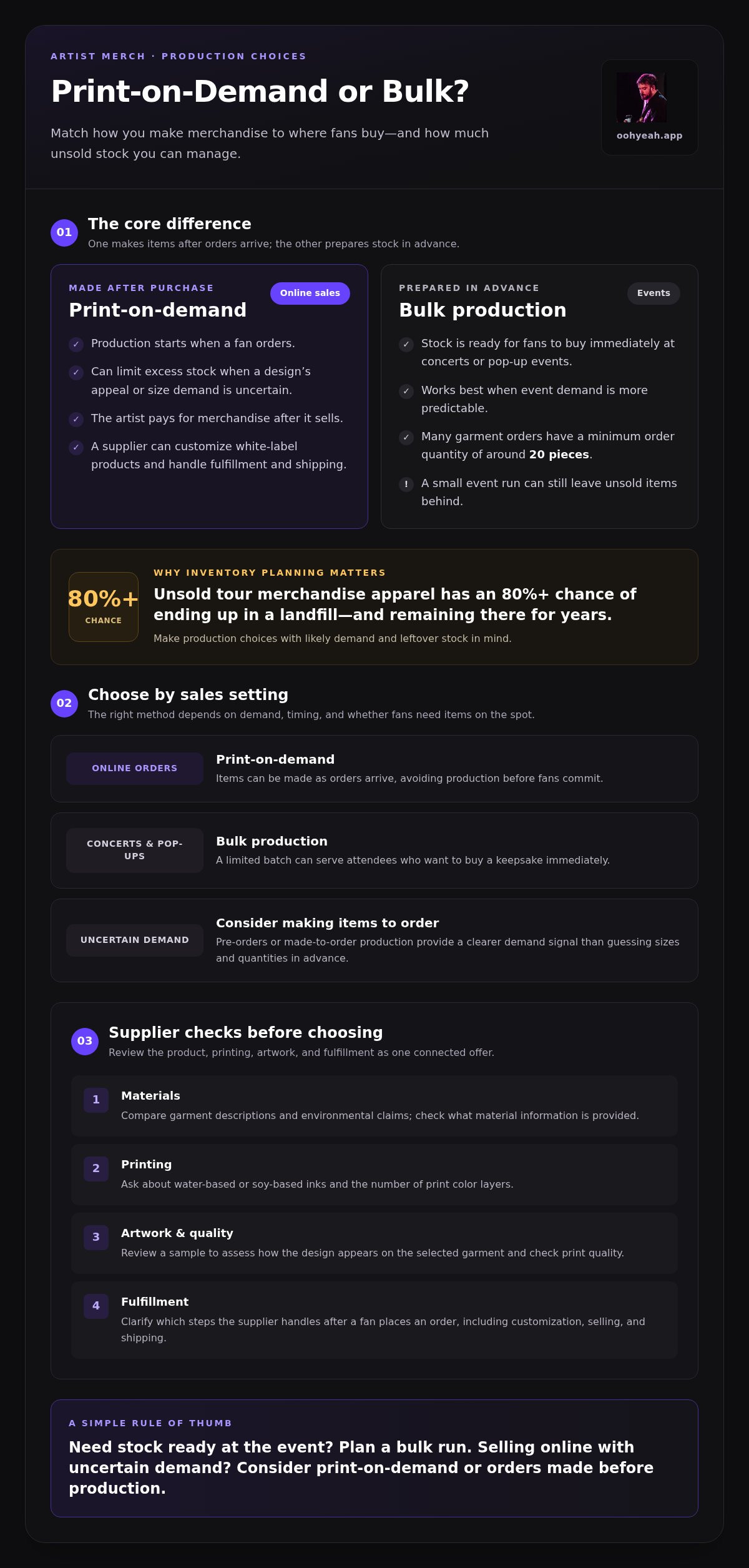
Print-on-demand makes items after fans order them, while bulk production prepares stock in advance. The right fit depends on the sales setting, design needs, and how much unsold inventory you can manage.
Print-on-Demand and Overproduction
With print-on-demand, production starts when a customer orders an item, rather than before demand is known. That can limit excess stock, especially for designs with uncertain appeal or niche sizes. In this model, the artist pays for merchandise after it sells. A supplier customizes white-label products with the artist’s artwork, then handles fulfillment and shipping.
Printing choices matter, too. Water-based or soy-based inks are alternatives to other printing inks, while limiting the number of print color layers can reduce ink and energy use. For example, a one-color tour design uses fewer layers than a multicolor image. Ask how the supplier applies artwork to shirts or hoodies, and compare available materials and printing options before choosing a product.
Choosing a Print-on-Demand Supplier
Assess the supplier’s product choices, printing process, and fulfillment role as one connected offer. Confirm which garments can carry your artwork, what material information accompanies them, and whether the supplier customizes, sells, and ships the items. These details help you describe products accurately to fans. Review a sample before promoting a design to assess its appearance and print quality.
- Materials: Compare garment descriptions and environmental claims.
- Printing: Ask about water-based or soy-based inks and print color layers.
- Artwork: Check how the design appears on the selected garment.
- Fulfillment: Clarify which steps the supplier handles after a fan orders.
Bulk Orders Versus Print on Demand
Print-on-demand suits online band merchandise sales because items can be made as orders arrive. Bulk orders suit concerts and pop-up events, where fans may want to buy immediately. Many garment orders have a minimum order quantity of around 20 pieces, so a small event run can still leave stock behind. Match the method to the sales setting and likely demand.
For a concert, a limited batch of hoodies may help serve attendees who want a keepsake on the spot. For online sales, print-on-demand can avoid producing that stock before fans commit. Consider whether the event needs immediate inventory or whether fans can order later. Unsold tour merchandise apparel has an 80%+ chance of ending up in a landfill and remaining there for years, making production choices consequential.
Artists planning direct sales can use a merchandise marketplace to connect their designs with fans. Keep the product description clear about materials and printing, so supporters understand what they’re choosing.
Do you ship worldwide?
Yes, band merchandise can reach fans worldwide. Responsible fulfillment starts with choosing packaging, production locations, and shipping options that suit each order.
Responsible Fulfillment and Packaging
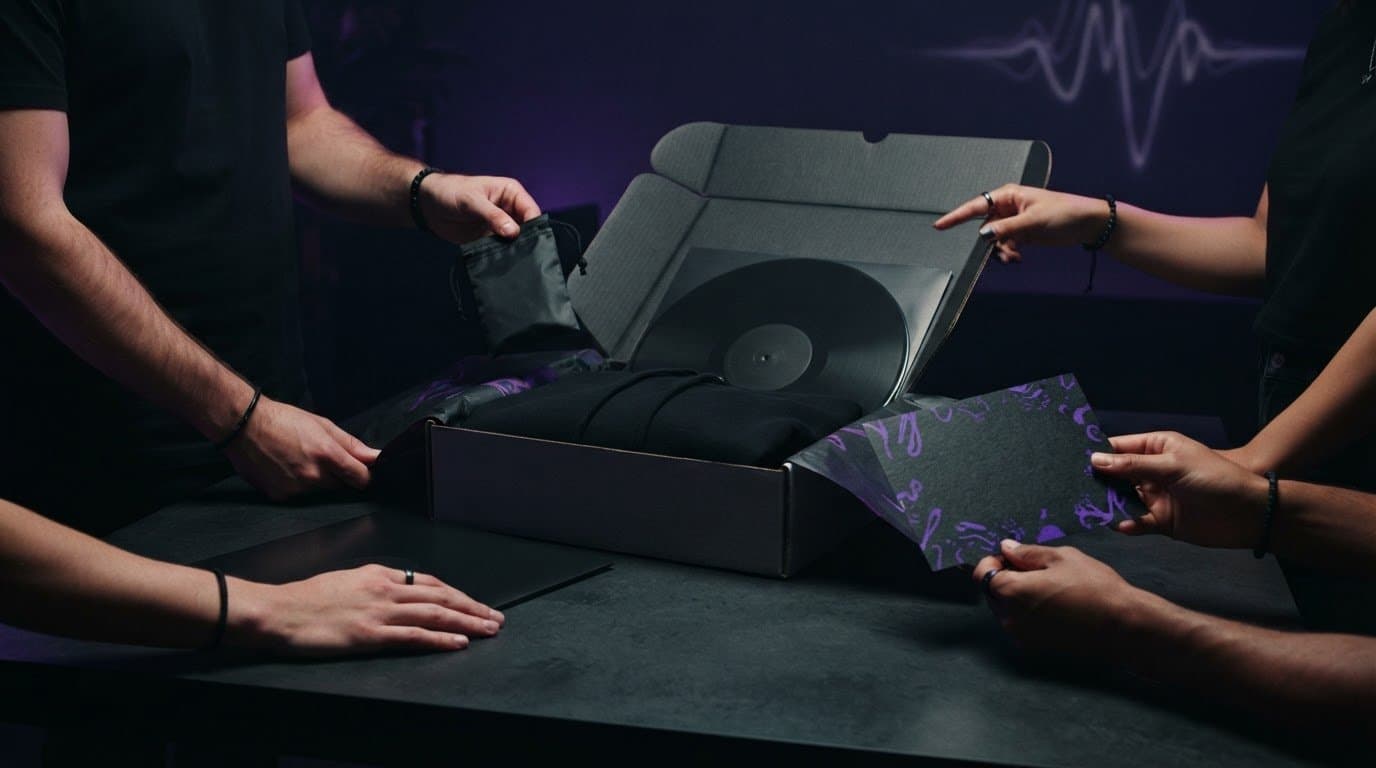
Packaging affects a shirt, custom hoodie, or poster’s environmental footprint after production. Choose recycled or compostable materials where suitable, and avoid unnecessary layers. For example, a poster may need protection from bending, while folded cotton apparel may fit a compact mailer. Match the packaging to the item rather than using a one-size-fits-all approach.
Map the fulfillment steps: prepare the item, pack it, label the destination, and hand it to the carrier. Clear product and shipping information helps fans understand what they ordered and what to expect. If a custom order combines a shirt and poster, plan packaging that protects both without adding avoidable material.
Shipping and Distribution Considerations
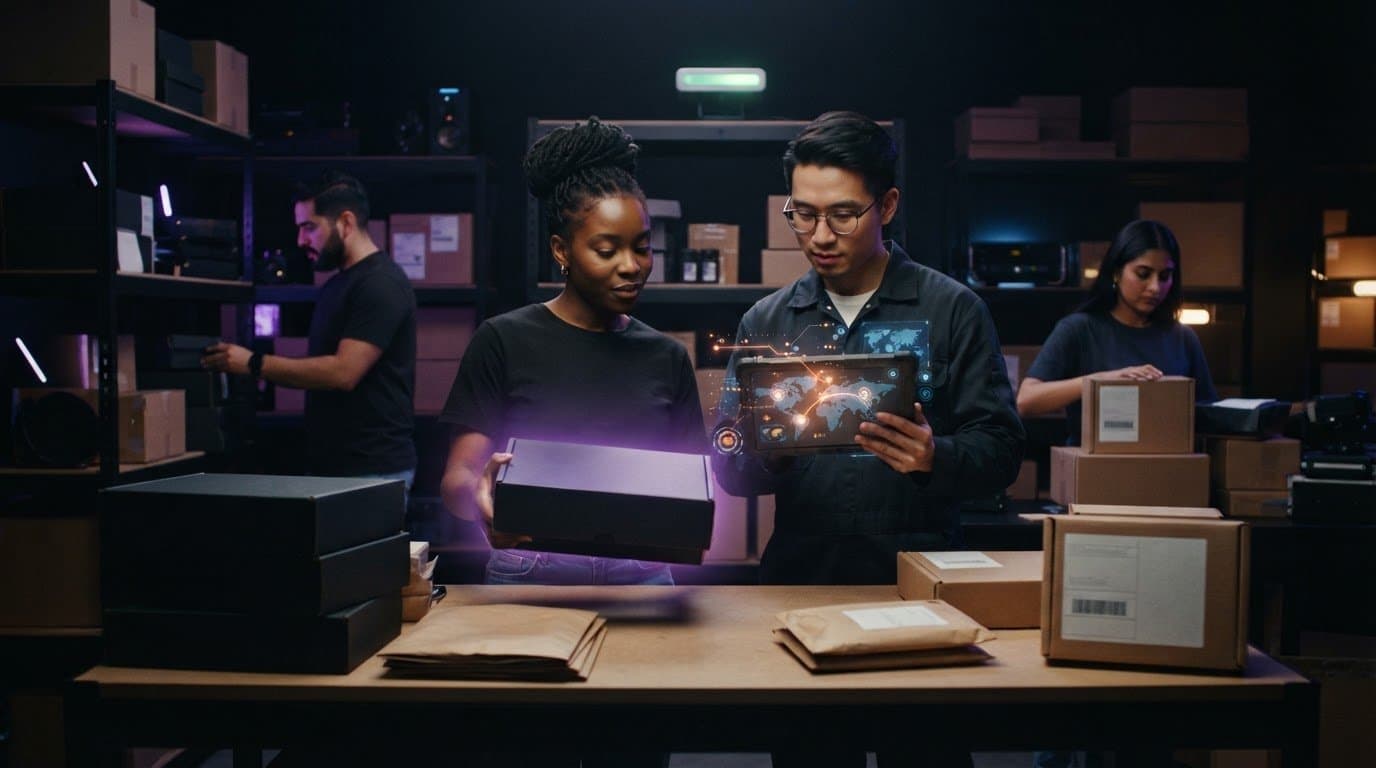
Where merchandise is produced can shape its shipping journey. Producing closer to buyers can reduce shipping pollution, so consider where your fans live before choosing a production location. A band with supporters across several countries may need to weigh nearby production against the practicalities of fulfilling each order. Make the route from production to fan part of the sustainability decision.
Worldwide shipping also calls for accurate destination details. Present item descriptions, sizes, materials, and shipping information clearly so international fans can make informed choices. For recycled apparel, describe the material accurately. For posters, state the format and how the item will be packaged. Clear details help prevent misunderstandings between artists and supporters.
Before launching, sketch the order journey for a fan in another country. Identify where the item is made, who prepares it, how packaging protects it, and which carrier moves it onward. This simple route map can highlight avoidable distance or excess packaging. It also helps set fulfillment expectations without unsupported promises about delivery timing.
- Choose packaging: Compare recycled and compostable options for each item.
- Review production location: Consider where buyers are concentrated and how far orders travel.
- Explain the product: Describe cotton, recycled materials, artwork, and item format precisely.
- Map fulfillment: Trace packing and shipping from production to the fan’s destination.
A worldwide audience doesn’t require every order to follow the same route. A fan buying a cotton shirt may need different packaging from someone ordering a poster. Thoughtful fulfillment connects these practical choices to the band’s environmental goals while keeping the path from design to supporter clear.
Artist merchandise as a source of income and fan connection
A band shirt can do more than display a logo. It can give fans a lasting connection to the music while helping artists earn income beyond recordings and live performances.
Merchandise for Fans and Artists
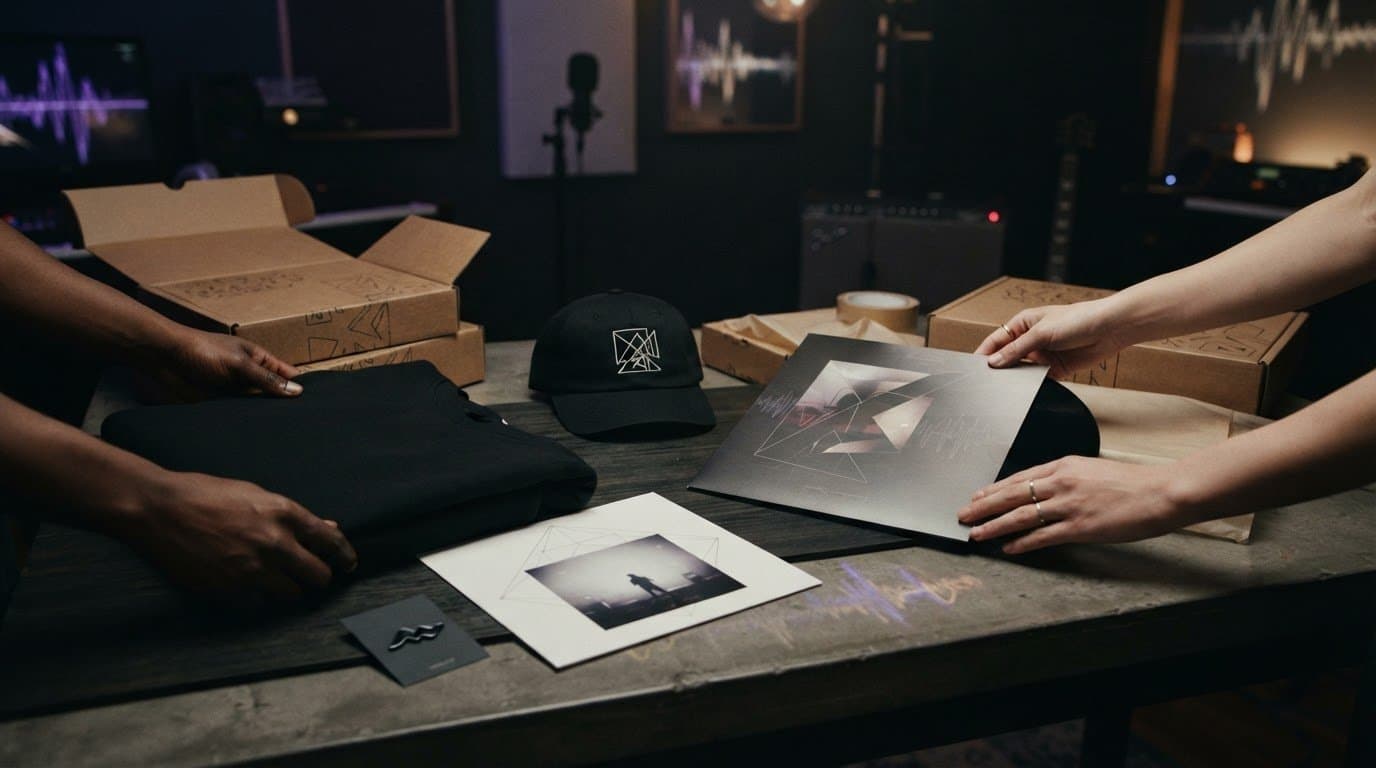
Fans often choose merchandise that captures a memory or reflects an artist’s identity. A tour poster can recall a particular show, while a durable shirt can become part of someone’s everyday wardrobe. Designs tied to lyrics, album artwork, or a specific venue make an item feel personal rather than generic.
That meaning can support artists, too. Industry experts estimate artist merchandise usually accounts for around 70 percent of an artist’s revenue. Merchandise sales can provide supplementary income to support careers and fund future projects. Treat each item as both a product and a point of connection: explain the story behind its artwork and why it belongs to the band.
Direct-to-Artist Purchases
Buying official merchandise directly from artists or their official channels helps artists receive a fair share of the profits. Official items also give fans confidence that a design represents the artist’s brand and image. Clear artist profiles and product descriptions connect the person making the music with the supporter choosing what to buy.
Connect each purchase to the creative work. A band might release a design tied to a particular tour date or collaborate with a visual artist on collectible merchandise. Explain what inspired the design and how it relates to the music. This context helps fans see the item as part of the artist’s story, not just another object.
Rules for Sales to US Fans
For sales to US fans, plan payment processing, sales tax, and consumer terms together. Applicable tax treatment depends on the sale’s location and selling arrangement. Before checkout, clearly state information about the item, payment, shipping, returns, and refunds so buyers understand the terms.
Build a practical sales checklist before opening orders. Identify how payments are accepted, how sales are recorded, and how customer questions about orders will be handled. Keep product descriptions accurate, especially material claims and designs. Clear terms help artists and fans share the same expectations from checkout through delivery.
Strong merchandise gives supporters a reason to connect with artists between releases and shows. Design for durability and emotional significance, giving fans more reason to keep and wear each item. For example, a well-made shirt featuring artwork from a memorable concert can carry that experience beyond the venue. Direct sales bring the artist, the work, and the fan closer together.
Merchandise as a revenue stream for musicians
For musicians, merchandise can turn a song, tour, or visual identity into income fans can choose to support. The strongest approach treats each item as part of a wider music business, not an afterthought.
There’s no single typical retail price or profit margin for eco-friendly band merchandise. The selling price and net return depend on the garment, sustainable materials, artwork, printing, fulfillment, packaging, and sales channel. For a specific run, the price depends on those choices and is provided after a quote request.
Merchandise can offer a distinct kind of value in the music industry. For many artists, selling one T-shirt can generate revenue equivalent to tens of thousands of music streams. Concert memorabilia is a multibillion-dollar industry, and live tours can boost merchandise sales as concertgoers buy items as souvenirs. A shirt connected to a tour or album can serve as merchandise and a lasting reminder of an experience.
Build the offer around the artist’s goals. A musician funding a recording project might connect a new design to that release. A touring band might make concert artwork available to fans who couldn’t attend. Explain how the item relates to the music and describe its materials accurately. This gives supporters a clear reason to buy and makes sustainability part of the artist’s story.
Keep the revenue plan practical. Map the costs that shape each sale, then decide how the item fits the wider release strategy. For example, compare a made-to-order shirt with a concert batch, considering demand, leftover stock, and fulfillment. Track which designs fans respond to and use those signals to plan future merchandise. Sustainable choices work best when they support products fans value and artists can keep offering responsibly.
- Connect the item to the music: Tie designs to a song, album, tour, or memorable venue.
- Explain its value: Share the artwork’s story and describe materials clearly.
- Plan the return: Account for garment, printing, packaging, and fulfillment costs.
- Learn from sales: Use fan response to shape future merchandise choices.
Give fans a direct way to support your next release. Build a direct-to-fan home for your music and merchandise, and make each purchase part of a stronger connection with your audience.
OohYeah!: Artist Profile Hosting
OohYeah! gives artists a direct place to bring music, merchandise, and fan relationships together. Use Artist Profile Hosting to present your work, Digital Music Downloads to share releases, and the Merchandise Marketplace to offer merchandise to supporters. Exclusive Content Access can give fans another way to connect with your work.
It’s a natural next step when you’re ready to build direct connections around your music and merchandise. OohYeah! enables artists to retain 100% of their sales revenue from music and merchandise, supporting a creator-first approach to earning from your audience.
Keep your profile and merchandise descriptions aligned with your sustainability choices so fans understand what they’re supporting. Visit oohyeah.app to explore OohYeah! for your music and merchandise.
Make Your Next Release a Shared Experience
Your next merchandise idea can become more than a product. It can give fans a new way to take part in your creative journey and carry your music into their everyday lives. Selling eco-friendly band merchandise directly to fans works best when your choices reflect the values behind your sound, from the artwork to how you present each item.
Build that connection around a clear home for your work. OohYeah! offers Artist Profile Hosting, Digital Music Downloads, and a Merchandise Marketplace, giving fans a place to discover your music and merchandise together. Start with the release or design that feels most meaningful to your community, then invite supporters to be part of what comes next.
Ready to explore a direct path for your band merchandise? Contact OohYeah! about your band merch. Keep creating with your fans in mind, and let each thoughtful choice bring your community closer to the music.
Frequently Asked Questions
How do I make sure my designs look good on my band merch?
Review the artwork on the actual garment type before offering it to fans. Check how the design sits on both a shirt and a hoodie, since their shapes and printable areas differ. Keep important text and logos away from seams and edges. Compare a digital mockup with a printed sample, then inspect the colors, placement, and fine details under ordinary lighting before approving the design.
What eco-friendly materials are best for band merchandise, such as organic cotton and recycled polyester?
Choose materials based on the item’s purpose and the specific claim you can support. Organic cotton can suit shirts, while recycled polyester is used in hoodies and can be made from post-consumer plastic bottles. Ask about material documentation and certifications such as GOTS or Fair Wear. Describe the exact material content in product listings instead of implying that every part of a garment is sustainable.
How much does sustainable band merchandise cost to produce in small and bulk orders?
There isn’t one typical production cost or profit margin. The total depends on garment choice, material, order quantity, printing method, number of colors, and fulfillment. Compare the full production total with the per-item cost, then include packaging and shipping in your sales plan. Small runs and bulk orders can have different unit economics, so calculate each option using the same design and product specifications.
Which print-on-demand companies offer sustainable band merchandise and direct-to-fan fulfillment in the US?
OohYeah! offers a Merchandise Marketplace where artists can present merchandise to fans. A marketplace and a print-on-demand fulfiller serve different functions. A print-on-demand model can customize white-label products with an artist’s artwork and handle fulfillment and shipping, with production following fan orders. When assessing this model, compare product materials, printing choices, and fulfillment responsibilities, and describe each sustainability claim specifically in your listings.
How can bands sell eco-friendly merchandise directly to fans online and at concerts?
Selling eco friendly band merchandise direct to fans online and at concerts starts with clear product information and an easy way to buy. Use an artist profile or merchandise marketplace to show materials, sizing, and artwork. At concerts, make the buying option easy to find at the merch table and display garment details before fans decide. Align online listings with venue stock so supporters can find the release after a show.
How can bands verify sustainability claims and avoid greenwashing in merchandise marketing?
Keep records that connect each claim to a specific garment or material. For example, describe a shirt as containing organic cotton only when its material information supports that statement. Request relevant documentation and certifications such as GOTS or Fair Wear from suppliers. Avoid broad claims like “fully sustainable” when you can explain the fiber, recycled content, or production practice that applies to the particular item.
What packaging and shipping options reduce the environmental impact of direct-to-fan merch sales?
Choose recycled or compostable packaging that fits the item, rather than adding unnecessary layers. A poster needs protection from bending, while folded apparel may fit a compact mailer. Consider producing merchandise closer to buyers to reduce shipping pollution. For international orders, make material and product details clear so fans understand what they’re buying before it travels to them.
What are the trade-offs between print-on-demand, preorder campaigns, and holding merch inventory?
A practical approach to selling eco friendly band merchandise direct to fans depends on where and how supporters shop. Print-on-demand suits online orders and avoids stocking every design. A preorder campaign collects orders before production begins. Holding inventory lets bands sell immediately at concerts, but unsold items remain on hand. Choose a method by weighing the sales setting, expected demand, and need for immediate availability against the risk of advance stock.