Where Musicians Sell Used Audio Interfaces in 2026
Discover the best platforms to sell used audio interfaces. Compare marketplaces, fees, and find where musicians actually keep their money.

September 9, 2026
Music Marketplace Advisor
Buying & SellingIf you're sitting on a used Focusrite, PreSonus, or Apogee interface that's collecting dust, you're probably wondering where to actually sell it without losing half the money to platform fees.
The honest answer? You've got options—but they're not all created equal. Some marketplaces will take a huge cut. Others offer better visibility but slower sales. And some newer platforms are designed specifically for musicians who are tired of getting squeezed.
Let's break down exactly where musicians sell used audio interfaces and help you pick the right place for your gear.
Related: Best Way to Sell Used Guitars in 2026
Related: Best Ways to Sell Pro Audio Gear Without Middleman 2026
The Major Marketplaces Where Musicians Sell Used Audio Interfaces
When you search for where to sell used audio interfaces, a few names always pop up. Here's the real deal with each one.
Reverb.com
Reverb is probably the biggest name in used music gear. They've got massive traffic, tons of buyers actively searching for audio interfaces, and pretty solid search visibility.
The catch? Reverb takes about 8-12% per sale, depending on your seller status. Shipping costs also cut into your profit. If you sell a $400 interface, you're looking at losing $32-48 just to the platform fee—before you factor in PayPal fees or shipping.
That said, Reverb's buyer base is huge. Your interface will probably sell faster there than anywhere else.
eBay
eBay is still alive and kicking for audio gear. You'll pay listing fees, insertion fees, and final value fees that add up to around 12-15% total. Shipping disputes happen more often on eBay than specialized gear sites, and buyer protection can sometimes work against sellers.
The upside? Massive audience. Your audio interface might get seen by way more people than on niche platforms.
Facebook Marketplace & Craigslist
These are commission-free, which sounds amazing. And they can work—especially if you're local and selling to someone nearby who can pick it up.
But here's the reality: you'll spend hours fielding messages from people who aren't serious, dealing with lowball offers, and scheduling meetups that fall through. Safety is also a concern when meeting strangers with cash and expensive gear.
Specialized Music Gear Platforms
This is where things get interesting. A new wave of marketplaces built specifically for musicians is changing the game.
OohYeah is one of those platforms—it's designed by musicians, for musicians. The mission is simple: you keep way more of what you earn. No massive commission cuts. No hidden fees eating into your profit. Just a fair place to sell your used audio interfaces to other musicians who actually understand the gear.
Platforms like this are built on a core principle: you shouldn't have to hand over 10-15% of every sale just to reach buyers. When you sell a used audio interface on OohYeah, you're selling to an audience of musicians and producers who know exactly what they're buying and why they're buying it.
How to Choose the Right Platform for Your Audio Interface
Picking where to sell comes down to three questions:
- How fast do you need to sell? Reverb = fastest. Specialized platforms and Facebook = might take longer, but better margins.
- What condition is your interface in? Pristine condition? Any platform works. Well-used or with cosmetic damage? Specialist platforms often have buyers who don't mind that.
- How much money do you want to keep? This is the big one. Do the math on fees before you list anything.
Here's a real example. Say you're selling a $300 Focusrite interface:
- Reverb: Pay ~$30-36 in fees. Keep $264-270.
- eBay: Pay ~$40-45 in fees. Keep $255-260.
- Facebook/Craigslist: Pay $0 in fees. Keep $300 (but might not sell for weeks).
- Specialized platform: Pay minimal or no fees. Keep $290-300.
The math changes everything.
Pro Tips for Selling Used Audio Interfaces Successfully
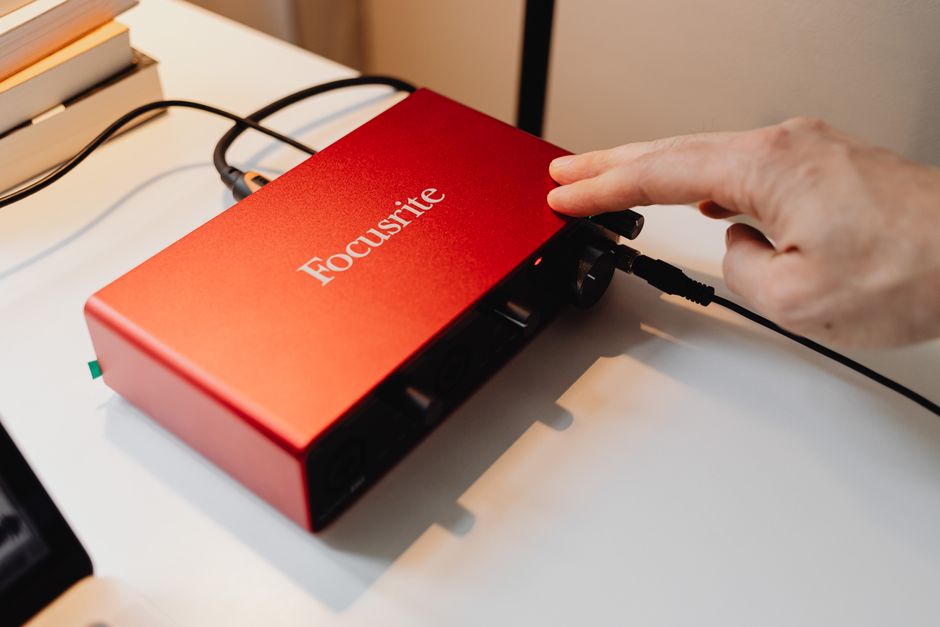
Get the photos right. Show the interface from multiple angles. Include photos of the connections, any wear, and the condition of the cables. Buyers need to see exactly what they're getting.
Write an honest description. List the exact model, specs, what's included (cables, power supply, original box), and any issues—even small ones. Transparency kills disputes later.
Price it fairly. Check sold listings on multiple platforms to see what similar interfaces actually sold for (not just listed for). That's your true market price.
Ship carefully. Audio interfaces are precision electronics. Use plenty of padding, a sturdy box, and consider insuring the shipment. The cost now saves you from a return nightmare later.
Consider your total profit, not just the listing fee. A platform with zero commission is only better if you actually sell the gear. Factor in speed, buyer quality, and likelihood of a completed sale when choosing where to list.
Why Specialized Platforms Are Winning Over Musicians
There's a real shift happening right now. Musicians are getting tired of watching 10-15% disappear every time they sell. They want platforms built by people who actually understand recording gear, interface specs, and why someone needs a Universal Audio interface versus a Behringer.
Platforms like OohYeah are filling that gap by keeping commissions low and the community focused. You're selling to producers and engineers who know the difference between a USB 2.0 and Thunderbolt connection. No tire kickers. Just people ready to buy.
Plus, you can build real relationships with buyers. Sell someone an interface, and they might come back for studio monitors or cables next month. That's how you turn one sale into a sustainable income stream.
The Takeaway: Where to Sell Your Used Audio Interface
Here's what we'd do: if you need to sell fast and don't care about fees, Reverb works. If you want zero fees and don't mind waiting, try Facebook first. But if you want to keep the most money while still getting real traction with serious buyers, check out a platform built specifically for musicians selling used gear.
The music industry is changing. You shouldn't have to give away 15% of your hard-earned money just to reach other musicians. List your used audio interface where it belongs—on a marketplace that respects your hustle and lets you keep what you earn.
Do I need to pay shipping on used audio interfaces?
Most platforms let you set shipping costs, pass them to the buyer, or offer free shipping. Audio interfaces are heavy and delicate, so shipping isn't cheap. Most successful sellers either factor it into their asking price or make the buyer aware upfront. Never underestimate shipping costs—interfaces can easily cost $30-50+ to ship safely.
What condition should my audio interface be in to sell it?
You can sell audio interfaces in almost any condition, but expect lower prices for well-used gear. Cosmetic damage (scratches, dings) doesn't usually affect performance. Functional damage (broken connections, audio dropouts) will tank your price or make it impossible to sell. Always test everything before listing and be honest about any issues.
How much should I list my used audio interface for?
Check recently sold listings across multiple platforms to see the real going rate. A $600 interface from 3 years ago might sell for $350-400 now, depending on condition and model. Factor in fees when pricing—list it high enough that after platform commissions, you still hit your target price. On platforms with lower fees, you can be more competitive and keep more per sale.
Will my audio interface sell faster on Reverb than other platforms?
Probably, yes. Reverb has the biggest buyer audience for music gear. But "faster" doesn't always mean "better"—especially if you lose 10-12% to fees. A slightly slower sale on a lower-commission platform might net you more actual money in your pocket. It depends on your timeline and how much you value speed versus profit.